The pursuit of the perfect pair of selvedge denim often leads enthusiasts down a rabbit hole, exploring the nuances of weave, texture, and origin. At the heart of this discussion lies a classic dichotomy: Japanese selvedge versus American selvedge. While both traditions hail from the pioneering days of denim production, their contemporary interpretations, particularly concerning shuttle loom weaving and resulting fabric texture, offer distinct experiences. This article dissects these differences, aiming to equip the discerning consumer with the knowledge to appreciate and choose between these two esteemed denim styles.
Unraveling the Selvedge: What Defines Japanese and American Denim?
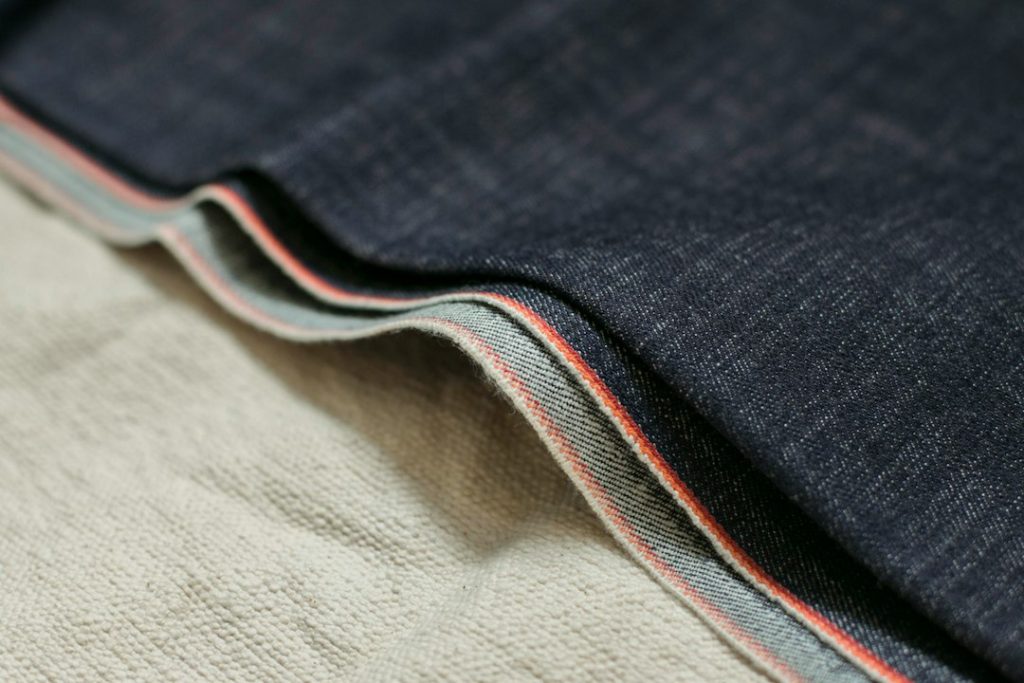
Selvedge, derived from “self-edge,” refers to the tightly woven, finished edge of a fabric created on a shuttle loom. This self-finished edge prevents fraying and is a hallmark of high-quality denim, particularly when produced on narrow shuttle looms that were once standard. Both Japan and the USA have rich histories with this method, but their approaches have diverged significantly, influenced by culture, industrial evolution, and a shared passion for denim.
The Mystique of Japanese Selvedge: Craftsmanship and Heritage
Japanese denim is often synonymous with meticulous craftsmanship and an almost obsessive attention to detail. Following World War II, Japan began importing American denim, and a burgeoning interest in denim production grew. While initially focused on replicating American styles, Japanese mills and brands soon carved out their own niche. They embraced traditional shuttle looms, not merely as a means of production, but as a tool for innovation. This dedication to heritage techniques, combined with a forward-thinking approach to fabric development, has positioned Japanese selvedge denim as a benchmark for quality, complexity, and often, artistic expression in fabric creation. Brands like Momotaro, Samurai, and Full Count are revered for their commitment to authentic, yet evolving, selvedge production.
The Allure of American Selvedge: Grit and Industrial Roots
American denim, particularly from heritage brands like Levi’s, Cone Denim, and White Oak (historically), represents the original spirit of workwear. The emphasis was on durability, functionality, and mass production. While the industrial revolution brought shuttle looms to American shores, the trend towards wider, faster projectile looms for efficiency eventually overshadowed the narrower shuttle looms for much of the mainstream market. However, a resurgence in interest has seen a revival of shuttle loom production, often focusing on recreating the robust, no-nonsense fabrics of the past. American selvedge often evokes a sense of rugged authenticity, a connection to the pioneers and laborers who defined the fabric’s initial purpose. It’s about the history, the raw, untamed character, and the enduring legacy of American manufacturing.
Shuttle Loom Showdown: Weave and Texture Face-Off
The shuttle loom is the common denominator, yet the resulting weave and texture tell vastly different stories. The inherent characteristics of the loom, the yarn, and the weaver’s intent dictate the final fabric. This is where the true divergence between Japanese and American selvedge often becomes most apparent.
Japanese Selvedge Weave: The Intricate Dance of the Shuttle Loom
Japanese mills are renowned for pushing the boundaries of shuttle loom weaving. They often employ highly specialized looms, sometimes vintage or heavily modified, to achieve unique fabric characteristics. The weave can range from exceptionally tight and uniform to intentionally slubby and irregular. Many Japanese fabrics feature prominent slub yarns (yarns with thicker, uneven sections) and neps (small knots of tangled fiber), intentionally woven into the fabric to create depth and visual interest. This meticulous control allows for a diverse spectrum of weaves, from classic twills with subtle variations to more complex, textured patterns. The shuttle’s slower, more deliberate motion allows for greater control over each thread, contributing to the intricate feel and appearance.
American Selvedge Weave: The Robust Rhythm of the Shuttle Loom
Historically, American shuttle looms focused on creating durable, consistent fabrics. While perhaps less experimental in their raw output compared to modern Japanese mills, they produced weaves known for their strength and reliability. The resulting fabrics often exhibit a more uniform appearance, with a clean, defined twill line. When American brands revive shuttle loom production, they often aim for this characteristic robustness. The weave might feel denser and more straightforward, prioritizing longevity and a classic aesthetic. While some slub might be present, it’s typically less pronounced than in many Japanese counterparts, contributing to a different kind of textural experience – one that speaks of steadfastness rather than intricate artistry.
Texture Unveiled: A Tactile Comparison of Japanese and American Selvedge
The interplay of weave and yarn directly translates to texture. Japanese selvedge often presents a tactile landscape of highs and lows. The intentional irregularities in the yarn and weave can create a fabric that feels alive, with a distinct character that evolves uniquely with wear. It might feel slightly rougher initially but often softens into a comfortable, personalized second skin. American selvedge, particularly from heritage productions, tends to offer a more consistent, sometimes smoother, but inherently robust texture. It feels substantial and dense, providing a satisfying weight and a feeling of inherent durability. While it may not have the same overt textural quirks as some Japanese denims, its texture speaks to its rugged construction and long-haul potential.
Key Differentiating Factors: Beyond the Loom
While the shuttle loom is central, the journey of a denim fabric involves more than just the weaving process. Cotton sourcing, dyeing, and finishing all play crucial roles in shaping the final product.
Cotton Origins and Blends: The Seed of Difference
The type and origin of cotton used significantly impact the feel and aging potential of denim. American cotton, often longer-stapled and prized for its strength, is a traditional choice. Japanese brands, however, frequently source cotton from various global origins, including the US, Australia, and sometimes even unique regional varieties, to achieve specific textures and characteristics. Some may blend cotton types to balance strength, softness, and fade potential. This can lead to Japanese denims that feel different from the outset – perhaps softer, or with a more pronounced initial crispness.
Dyeing Techniques: Indigo’s Influence on Character
Indigo dyeing is fundamental to denim, and both traditions have mastered its application, albeit with different philosophies. Japanese brands often experiment with deep, multiple indigo dips, creating intense, dark hues that promise spectacular fades. They may also use unique dyeing methods to achieve specific color variations or resist dyeing techniques. American heritage production often focused on a more straightforward indigo application, resulting in classic, enduring blue shades that age reliably. The depth and complexity of the indigo saturation can dramatically affect how the denim fades over time, a key consideration for enthusiasts.
Finishing Processes: From Raw to Refined
The “raw” versus “finished” debate is significant. Many Japanese selvedge denims are sold in a raw, unsanforized state, meaning they have not been pre-shrunk and will contain “green” or “gin” (sizing agents applied to warp yarns for weaving). This results in a stiff initial feel that requires a break-in period but allows the wearer to mold the denim to their body. American heritage denim also often came raw, but modern American brands may offer sanforized (pre-shrunk) options for immediate comfort, or employ various washing and distressing techniques to achieve a worn-in look from the start. The choice between raw and finished significantly influences the initial fit, comfort, and the unique patina that develops.
Evaluating the “Hand” and Durability: Real-World Performance
Ultimately, denim is meant to be worn. Its “hand” – the feel of the fabric – and its durability are paramount to the wearer’s experience.
The Suppleness vs. Stiffness Debate
Raw Japanese selvedge, with its often irregular weaves and sizing, can feel stiff and unforgiving initially. This stiffness, however, is often a precursor to a unique softening process as the wearer breaks in the jeans. The irregular texture can also lead to more dynamic fading. Traditional American selvedge, especially when sanforized or produced with more uniform yarns, might offer a more immediate sense of comfort, feeling robust yet less abrasive from the outset. The stiffness is usually that of solid, dense fabric rather than complex sizing. The choice here depends on patience and desired break-in outcome.
Fade Potential and Patina Development
This is where Japanese denim often shines for aficionados. The deep indigo saturation, the complex weaves, and the varied cotton and dyeing techniques combine to create denim that can produce incredibly rich and detailed fades. Whiskers, honeycombs, and electric blue hues are often hallmarks of well-worn Japanese selvedge. American selvedge, while capable of beautiful fades, may produce a more classic, perhaps subtler, progression. The fades might be less visually complex but possess a timeless, authentic quality. The “patina” – the unique story told by wear marks – is often more pronounced and varied in Japanese denim due to its inherent textural and dyeing intricacies.
Longevity and Wear Characteristics
Both Japanese and American selvedge denim, when made with quality shuttle-loomed fabric, are inherently durable. The selvedge edge itself contributes to longevity by preventing fraying at the inseam. Historically, American denim was engineered for maximum wear life in demanding conditions, emphasizing robust construction. Many Japanese brands also focus on durability, using strong warp yarns and reinforced construction. The difference often lies in how they wear. Japanese denim’s unique textures might show wear in more visually distinct ways, while American denim might simply appear to get tougher and more comfortable with age, demonstrating a steadfast resilience.
Navigating the Market: Making Your Selvedge Choice
The market offers a wealth of options for both Japanese and American selvedge. Understanding the typical offerings from each can guide your selection.
Top Japanese Selvedge Denim Brands and Models to Consider
Brands like Momotaro, Samurai Jeans, Studio D’Artisan, Full Count, and Pure Blue Japan are celebrated for their shuttle-loomed offerings. They often feature specific models with unique weights (e.g., 15oz, 18oz), cotton blends, and proprietary weaves, each designed to age differently. Look for models emphasizing slub, unique indigo hues, or specific historical reproductions.
Leading American Selvedge Denim Brands and Models to Consider
While the landscape has shifted, brands like Levi’s Vintage Clothing (LVC) often reproduce historical models using shuttle looms. Other heritage brands and smaller mills continue the tradition, focusing on classic fits and robust, reliable fabrics. Brands that champion Cone Denim or other traditional American mills often provide authentic shuttle-loomed options. The focus is typically on timeless fits and durable, straightforward weaves.
Price Points and Investment Value
Generally, high-quality Japanese selvedge denim commands a premium price, reflecting the intricate craftsmanship, specialized looms, and often more complex dyeing and finishing processes. Prices can range from $200 to $400+, with limited editions reaching higher. American selvedge, especially from heritage lines or smaller niche producers, can also be in a similar price bracket, particularly for historically accurate reproductions. However, some accessible options from larger brands might fall into the $100-$200 range. Both can be considered investments, offering longevity and unique aging potential that surpasses fast-fashion alternatives.
The True Selvedge Connoisseur’s Perspective: Subjectivity and Preference
For the seasoned denim enthusiast, the choice between Japanese and American selvedge often boils down to personal preference and the desired aesthetic evolution. Some crave the intricate, artistic fades and unique textures that Japanese denim is known for, viewing their jeans as a canvas for personal expression. Others prefer the rugged, no-fuss durability and classic aging patterns of American selvedge, valuing its connection to workwear heritage and steadfast performance. There’s no universally “better” option; each offers a distinct journey and outcome.
Final Verdict: Which Selvedge Denim Reigns Supreme for Your Wardrobe?
👑 Ultimate Winner: Depends on Your Denim Philosophy
Choosing between Japanese and American selvedge denim hinges entirely on your priorities. If you seek intricate textures, highly detailed and unique fades, and a fabric that feels like a complex textile art piece, Japanese Selvedge is likely your champion. It offers unparalleled variety and often pushes the boundaries of what denim can be, making it ideal for those who view their jeans as a long-term, evolving statement. If your preference leans towards classic, robust durability, straightforward and timeless fades, and a connection to denim’s utilitarian roots, then American Selvedge, particularly from heritage-focused brands, will be your ultimate victor. It’s the dependable workhorse, offering consistent quality and a venerable aesthetic that stands the test of time.
Best for the Artist/Collector: Japanese Selvedge, for its textural variety and complex fading capabilities.
Best for the Classicist/Minimalist: American Selvedge, for its enduring strength and time-honored aesthetic.