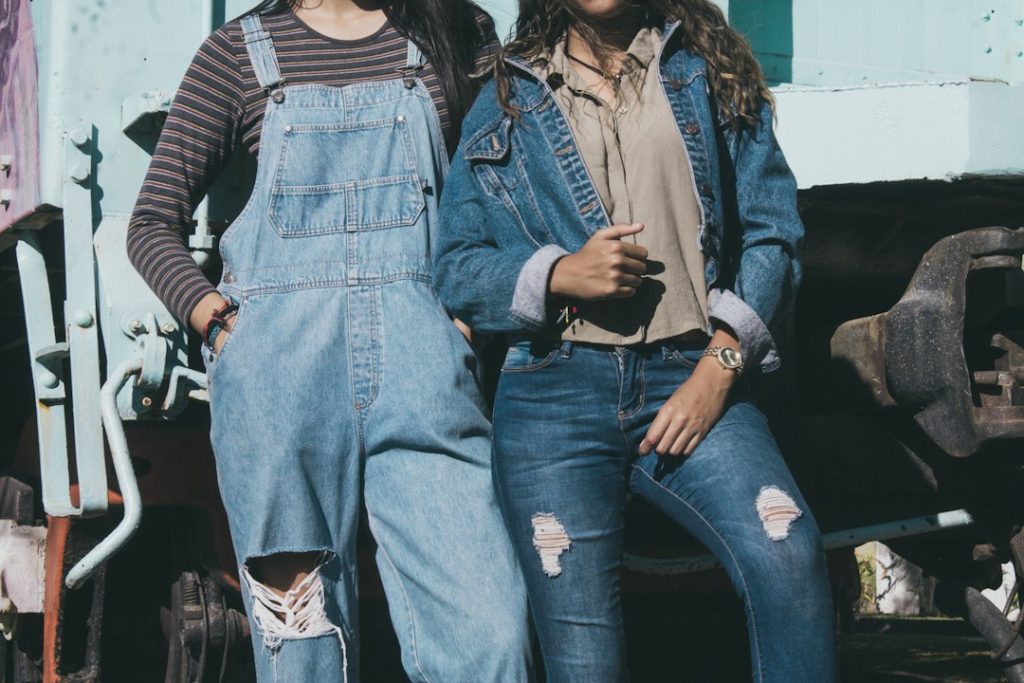
The humble denim trucker jacket, a cornerstone of casual American style, has evolved significantly since its inception. While the silhouette remains recognizable, subtle yet crucial differences distinguish the Type 1, Type 2, and Type 3 iterations. These variations, particularly in their historical context, pleat configurations, and pocket designs, offer distinct aesthetic and functional qualities. This article dissects these iconic garments, tracing their lineage and highlighting the specific design elements that define each type, ultimately guiding you to the perfect choice for your wardrobe.
The Genesis: Understanding the Original Type 1 Denim Trucker Jacket
The story of the denim trucker jacket begins in the late 19th and early 20th centuries, emerging as durable workwear for laborers. Levi Strauss & Co. is widely credited with pioneering these garments, designed to withstand the rigors of demanding physical tasks. The Type 1 represents the purest distillation of this utilitarian origin.
Type 1: The Blueprint – Key Features and Iconic Design
The Type 1 jacket, often considered the original blueprint, is characterized by its robust construction and minimalist approach. Its defining features include a single chest pocket with a distinctive “T-back” construction designed for added shoulder mobility. This pocket was typically secured with a single button, often branded with the Levi’s logo. The jacket also featured a straight hem and adjustable waist tabs at the back, secured with metal buckles, to allow for a customized fit. The denim itself was usually a heavy, unwashed raw denim, intended to mold to the wearer over time through wear and tear, developing a unique patina.

Evolution of the Type 1: Early Modifications and Adaptations
While the core design of the Type 1 remained consistent for many years, early adaptations began to appear as manufacturers responded to wearer feedback and market demands. One of the most significant modifications was the introduction of a second chest pocket. This addition increased the jacket’s practicality, allowing for the carrying of more items. Some versions also experimented with slight variations in the button placement and the curvature of the pocket flaps. However, these early modifications largely retained the fundamental silhouette and utilitarian spirit of the original Type 1.
Expanding the Frontier: The Advent of the Type 2 Denim Trucker Jacket
The mid-20th century saw a significant evolution in the denim jacket, leading to the emergence of the Type 2. This iteration marked a shift towards a more refined and functional design, incorporating elements that would become standard in future iterations while retaining a strong connection to its workwear roots. The Type 2 jacket represented a considered response to the limitations of the Type 1, particularly concerning pocket utility and overall fit.
Type 2: Bridging the Gap – Innovations in Pockets and Fit
The most notable advancement of the Type 2 jacket was the introduction of two chest pockets, a significant departure from the Type 1’s single pocket. These pockets were often pleated, allowing for greater capacity and a more structured appearance. The flaps on these pockets were typically buttoned, providing secure closure. Additionally, the Type 2 often featured hand-warmer pockets situated lower on the jacket, just above the hem. This addition greatly enhanced the jacket’s comfort and practicality, making it more suitable for everyday wear in cooler conditions. The fit also began to evolve, with some models offering a slightly more tailored silhouette compared to the boxier Type 1.

Type 2 vs. Type 1: Distinctive Differences in Construction
The contrast between the Type 1 and Type 2 is stark when examining their construction. The Type 1’s singular, unpleated chest pocket and lack of hand-warmer pockets speak to its purely utilitarian origins. In contrast, the Type 2’s dual pleated chest pockets and the inclusion of hand-warmer pockets signal a move towards a more versatile garment. The T-back construction, a hallmark of the Type 1, was often omitted in the Type 2 in favor of a simpler back panel, contributing to a cleaner aesthetic. While both featured adjustable waist tabs, the Type 2’s overall design began to bridge the gap between rugged workwear and everyday casual apparel.
The Modern Icon: Defining the Type 3 Denim Trucker Jacket
Emerging in the 1960s, the Type 3 denim trucker jacket represents the most widely recognized and enduring iteration of the garment. It refined the advancements of the Type 2, solidifying a design that has become a classic in streetwear and fashion. The Type 3 is often seen as the pinnacle of the denim trucker jacket’s evolution, striking a balance between utilitarian functionality and a sleek, modern aesthetic.
Type 3: The Pinnacle – Refined Silhouettes and Functional Pockets
The Type 3 jacket is distinguished by its slimmer, more tailored fit compared to its predecessors. The chest pockets, while still present, are often designed without prominent pleats, offering a cleaner look. Crucially, the Type 3 jacket typically omits the hand-warmer pockets found on the Type 2, reverting to a design focused more on the chest area. The waist tabs at the back are usually retained, but the overall silhouette is more streamlined. This design ethos cemented the Type 3 as a stylish outerwear piece, moving further away from purely functional workwear and firmly into the realm of fashion.

Type 3: A Closer Look at Pleats and Pocket Variations
While the Type 3 is generally characterized by simpler, unpleated chest pockets, variations exist. Some interpretations might incorporate subtle vertical pleats or darting for a slightly more tailored appearance, but they rarely achieve the pronounced volume seen in Type 2 pockets. The focus shifted from maximizing pocket capacity to achieving a refined aesthetic. The absence of hand-warmer pockets is a consistent feature, contributing to the jacket’s cleaner lines. The Type 3’s design prioritizes a sharp silhouette, making it a versatile layering piece for various fashion-forward outfits.
Comparative Analysis: Type 1 vs. Type 2 vs. Type 3 Jackets
To fully appreciate the distinctions, a direct comparison of the three types is essential. Each iteration builds upon the last, incorporating new features or refining existing ones to cater to evolving needs and styles.
| Feature | Type 1 | Type 2 | Type 3 |
|---|---|---|---|
| Chest Pockets | 1 (usually unpleated) | 2 (often pleated) | 2 (typically unpleated, sleeker) |
| Hand-warmer Pockets | No | Yes | No |
| Fit | Boxy, relaxed | Slightly more tailored than Type 1 | Slim, modern, tailored |
| Back Construction | Often T-back | Simpler back panel | Simpler back panel |
| Era of Dominance | Early 1900s – 1950s | 1950s – 1960s | 1960s – Present |
| Primary Use | Workwear | Workwear transitioning to casual | Casual, fashion |
A Visual Guide: Decoding the Pocket Designs Across Types
The pockets are arguably the most telling feature differentiating these jackets. The Type 1’s single, utilitarian chest pocket was functional for its era. The Type 2 introduced dual, often deeply pleated pockets, providing significantly more storage and a distinct visual element. The Type 3, in contrast, features cleaner, flatter pockets, emphasizing a streamlined aesthetic over maximal capacity. This evolution in pocket design mirrors the broader shift from pure utility to a blend of function and fashion.

The Significance of Pleats: Functionality and Style Evolution
Pleats on the Type 2 jacket’s chest pockets served a dual purpose: they increased the volume of the pockets, allowing them to hold more items like wallets or small tools, and they added a visual texture that broke up the flat expanse of denim. The Type 1, lacking these, presents a smoother, less voluminous chest. The Type 3 largely eschews these prominent pleats, opting for a sleeker profile. This progression highlights how design elements initially driven by function can be reinterpreted for aesthetic purposes, eventually being streamlined or omitted as styles change.
Fit and Silhouette: How Each Type Drapes and Wears
The fit is another critical differentiator. The Type 1 is the most generously cut, offering a comfortable, boxy fit ideal for layering over heavier garments or for unrestricted movement during physical labor. The Type 2 offers a slight refinement, often with a bit more shape in the body and sleeves, bridging the gap between workwear and casual wear. The Type 3 is decidedly more modern, typically featuring a slimmer cut through the body and sleeves, designed to be worn closer to the body, making it a versatile piece for contemporary fashion ensembles.
Beyond the Big Three: Understanding Nuances and Modern Interpretations
While Type 1, Type 2, and Type 3 represent the foundational designs, the world of denim trucker jackets is rich with variations and modern interpretations. Manufacturers continuously adapt these classic templates, incorporating new materials, washes, and details.
Identifying Lesser-Known Variations and Contemporary Updates
Beyond the core three types, you’ll find jackets with different button materials (e.g., copper, silver), varied denim weights and washes (from raw selvedge to distressed and bleached), and updated pocket configurations that might blend elements of different types. Some modern interpretations might reintroduce hand-warmer pockets on a Type 3 silhouette or offer T-back construction on a Type 2-inspired jacket. These variations cater to niche markets and evolving fashion trends, demonstrating the enduring adaptability of the trucker jacket design.
How to Choose Your Perfect Denim Trucker Jacket: A Buyer’s Guide
Choosing the right denim trucker jacket depends on your priorities:
- For Authenticity & Ruggedness: Opt for a Type 1. Look for heavy raw denim, a single chest pocket, and minimal embellishments. Best for historical enthusiasts, collectors, and those seeking the most durable, classic workwear feel.
- For Versatility & Enhanced Utility: A Type 2 is an excellent choice. The dual pleated pockets and hand-warmer pockets offer practical advantages for daily wear. Best for individuals who value functionality, a slightly roomier fit, and a vintage aesthetic.
- For Modern Style & Tailored Fit: The Type 3 is the go-to. Its slimmer silhouette and cleaner design make it a fashionable layering piece. Best for style-conscious individuals looking for a contemporary jacket that pairs well with a variety of outfits.
- For Specific Needs: Consider modern interpretations based on wash, denim weight, and specific details like sherpa lining for warmth or unique pocket designs for specific utility.
Preserving Your Denim: Care and Maintenance Tips for Longevity
Regardless of the type, proper care will ensure your denim trucker jacket lasts for years:
- Washing: Wash infrequently to preserve the denim’s character and color. When washing, turn the jacket inside out, use cold water, and a gentle cycle with minimal detergent. Avoid harsh chemicals or bleach.
- Drying: Air drying is best. Hang the jacket on a sturdy hanger away from direct sunlight to prevent fading. If machine drying is necessary, use the lowest heat setting.
- Raw Denim: If you have a raw denim jacket, consider minimal washing or even “soaking” to develop unique fades without excessive wear.
- Repairs: Minor tears or loose threads can often be repaired professionally or even DIY to extend the jacket’s life.
The Enduring Appeal: Why These Classic Trucker Jacket Types Remain Relevant in 2026
The Type 1, Type 2, and Type 3 denim trucker jackets are more than just garments; they are cultural artifacts that have transcended their utilitarian origins to become enduring style staples. Their timeless designs, coupled with their adaptability, ensure their continued relevance. Whether you’re drawn to the rugged authenticity of the Type 1, the practical versatility of the Type 2, or the sleek modernity of the Type 3, each jacket offers a unique connection to the rich history of American workwear and its evolution into global fashion.
👑 Ultimate Winner: Type 3 Denim Trucker Jacket (for most modern wearers)
While each type holds historical significance and specific use cases, the Type 3 denim trucker jacket stands out as the most versatile and enduring choice for the contemporary wardrobe in 2026. Its refined, slimmer silhouette offers a flattering fit that integrates seamlessly into modern fashion, unlike the boxier cuts of the Type 1 and Type 2. The cleaner aesthetic, achieved through streamlined pockets and the absence of hand-warmer pockets, allows it to be dressed up or down with greater ease. For individuals seeking a blend of iconic heritage and current style, the Type 3 provides the perfect balance. It represents the evolution of the trucker jacket into a fashion-forward piece without completely abandoning its functional roots. While Type 1 appeals to purists and Type 2 to those prioritizing utility, the Type 3’s adaptability makes it the most practical and stylish option for the broadest range of wearers.