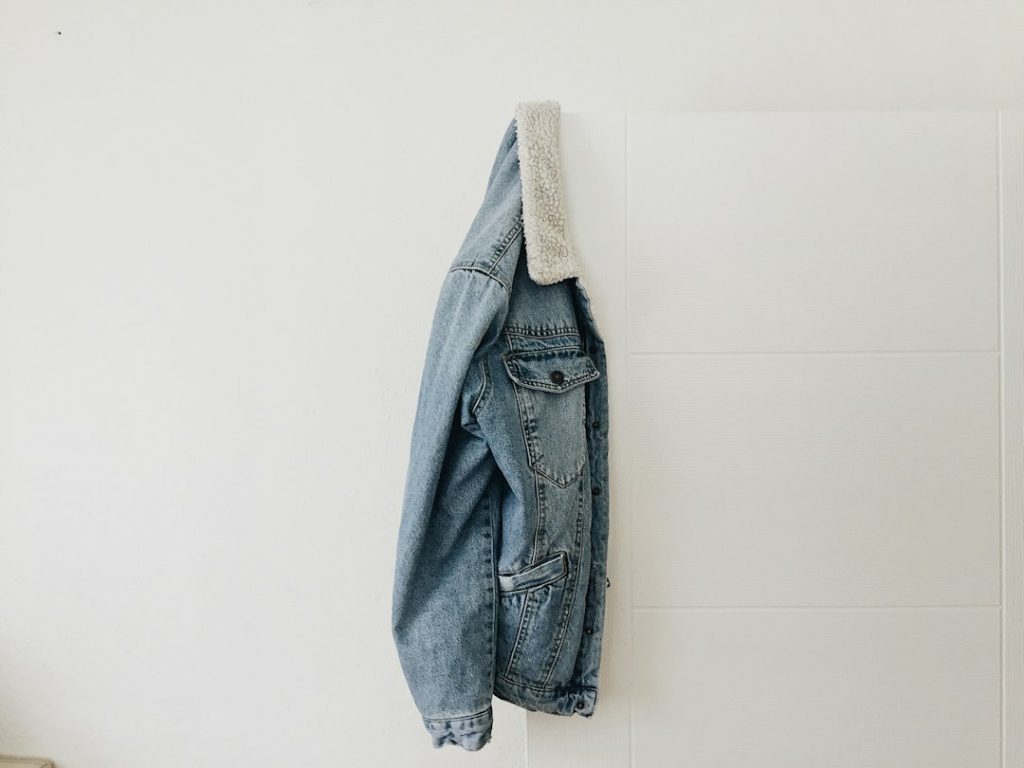
Few outerwear silhouettes boast the cultural permanence of the denim trucker jacket. Spanning from early 1900s utilitarian blousons to countercultural rock uniforms, each numbered generation marks a deliberate functional evolution.
Historical Lineage: From Work Blouse to Modern Uniform
Originally designated as “riveted blouses” designed for miners, rail workers, and timber crews, denim jackets prioritized mobility, reinforced rivets, and expandable chest pleats. Today, understanding the subtle differences between Type I, Type II, and Type III jackets allows you to curate an intentional outerwear rotation.
| Jacket Model | Historical Era | Pocket Configuration | Cinch / Adjusters | Fit Profile |
|---|---|---|---|---|
| Type I (506XX) | 1905 – 1953 | Single left chest patch pocket (no flap originally) | Rear cinch-back buckle (martingale) | Short, boxy, cropped torso |
| Type II (507XX) | 1953 – 1962 | Dual symmetrical lower chest patch pockets | Waistband side button tabs | Boxy torso, wider shoulders |
| Type III (557XX) | 1962 – Present | Dual pointed flap pockets with ‘V’ seam stitch lines | Waistband side button tabs | Slim, tailored, elongated silhouette |
The Type I: Purist Workwear Minimalism
The Type I jacket is characterized by its stark, asymmetric single chest pocket, vertical front accordion pleats sewn with box stitches, and a functional rear cinch buckle. Designed to be worn over high-waisted work trousers, its cropped length creates immediate visual contrast when paired with modern high-rise trousers or worn unbuttoned over an elongated tee.
The Type II: The Mid-Century Golden Era
Introduced in 1953, the Type II removed the hazardous rear metal cinch back (which scratched automobile upholstery and saddle leather) in favor of dual waist button tabs. It added a matching right chest pocket, achieving balanced symmetry. For many denim historians, the Type II represents the golden apex of boxy mid-century workwear proportions.
Sugar Cane 1953 Type II Denim Blouson
Fabric: 14.25oz Ring-Spun Zimbabwe & American Cotton / Deer Leather Patch
An obsessive vintage reproduction of the 1953 standard. Features iron buttons, copper rivets, and a classic boxy drape that layers comfortably over heavyweight knitwear.
3sixteen Modified Type 3s Shadow Selvedge
Fabric: 14.5oz Indigo Warp / Black Weft Kuroki Mills Selvedge
A contemporary evolution of the Type III. Lengthened body, concealed interior corduroy hand-warmer pockets, and a shadow warp/weft blend that fades from electric blue into stark white.
The Type III: The Ubiquitous Modern Icon
Debuted in 1962, the Type III introduced the distinctive pointed flap pockets and tapered chevron stitch seams running down the front torso. It eliminated the expandable pleats, hugging the torso closely. When someone says “denim jacket” in contemporary culture, they are referring to the Type III archetype.
Layering Protocol: How to Style Denim Jackets Year-Round
- Autumn Mid-Layer: Wear a snug Type III under an unlined wool overcoat or trench coat for a textured contrast of utilitarian denim and refined tailoring.
- Spring Outer Shell: Layer a boxy Type I or II over a 400gsm heavyweight loopback hoodie, anchoring the outfit with olive fatigue pants or black selvedge denim.
- Summer Evening: Draped loosely over a crisp white crewneck t-shirt with sleeves pushed up to the mid-forearm.