Model: Petit New Standard
Denim Type: 100% Cotton Raw Selvedge Denim
Weight: 12.5 oz (approximately)
Fit: Skinny Taper
Price Range: $245 – $275
First Impressions: Unboxing the APC Petit New Standard Raw Denim
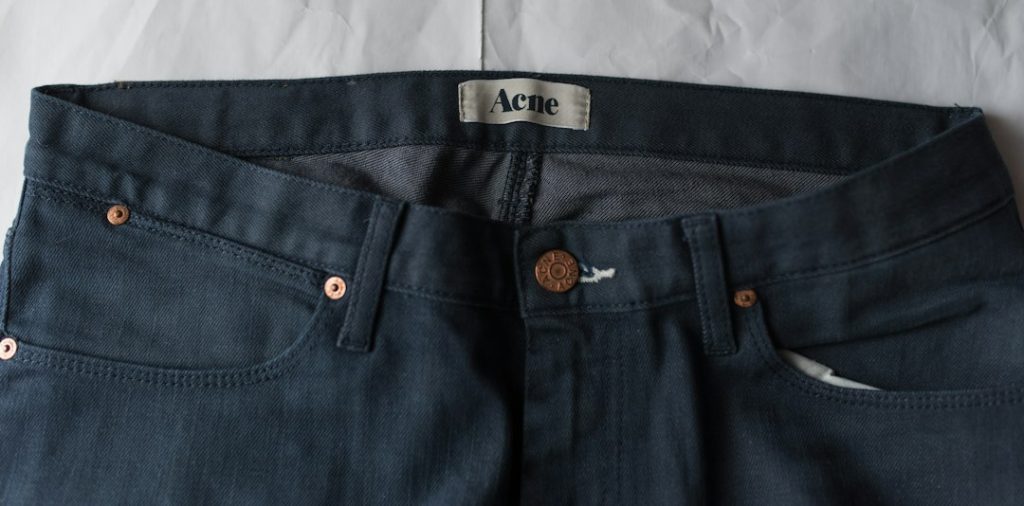
The moment you unbox a pair of APC Petit New Standard jeans, the sensory experience is immediate and definitive. This isn’t your typical pre-distressed, comfort-oriented denim. The fabric feels dense, rigid, and possesses a distinct crispness that speaks volumes about its raw, unprocessed nature. The indigo dye is deep and uniform, hinting at the potential for dramatic fades over time. There’s an undeniable heft to these jeans, a palpable quality that suggests they are built not for fleeting trends, but for enduring wear. The selvedge ID is present, a mark of authenticity for denim purists, and the overall construction appears meticulously executed, right down to the rivets and stitching. It’s clear from the outset that these jeans demand respect and a commitment from the wearer.

The Infamous APC Raw Denim Stiffness: What to Expect
Let’s address the elephant in the room: the stiffness. APC’s raw denim, particularly in models like the Petit New Standard, is renowned for its formidable rigidity. This is not a slight exaggeration; these jeans are genuinely stiff straight out of the bag. Imagine the texture of a heavy-duty canvas tarp—that’s a close approximation. The warp and weft yarns are tightly woven and packed with sizing (a starch-like solution that stiffens the cotton and protects it during the weaving process). This inherent stiffness is the bedrock of their durability and the primary driver of the break-in process. Expect initial wear to feel restrictive, almost like wearing a suit of armor for your legs. Movement will be limited, and comfort will be a secondary concern in the very early stages. This is the price of admission for denim that promises to last for years and develop a truly personal character.
Initial Fit: Understanding the Skinny Taper
The Petit New Standard is characterized by its skinny taper fit. This translates to a snug fit through the thigh and seat, narrowing significantly from the knee down to the ankle opening. When new and stiff, the fit can feel exceptionally tight, especially around the knees and calves. The rise is typically mid-rise, offering a comfortable seating position without being too high or too low. The leg opening is narrow, designed to accommodate or sit neatly over low-profile footwear like minimalist sneakers or boots. It’s crucial to understand that this fit is intended to be quite form-fitting. While there will be some stretch and adaptation over time, the fundamental silhouette remains slim. For those accustomed to looser cuts, the initial wear can be a significant adjustment. The taper is aggressive, meaning that once you put them on, they stay put, providing a clean, modern line that contrasts sharply with the ruggedness of the raw denim itself.
Raw Denim’s Promise: Longevity and Unique Patina
The allure of raw denim lies in its potential for transformation. Unlike pre-washed or faded jeans, raw denim begins its life as a blank canvas. Every crease, fold, and fade mark is a direct result of the wearer’s actions, lifestyle, and body shape. The APC Petit New Standard embodies this promise. The 100% cotton, unsanforized (or minimally processed) denim will gradually soften with wear, conforming to your body and developing a unique patina that tells your personal story. The high-contrast fading potential of this dense indigo denim means that wear points—like the honeycombs behind the knees, the whiskers radiating from the pockets, and the electric blue streaks along the outseam—will become pronounced and distinct. Longevity is another key promise; well-cared-for raw denim can last for a decade or more, outperforming conventional jeans by a significant margin. This makes the initial investment and the challenging break-in period a worthwhile endeavor for many enthusiasts.
👍 Pros
- Exceptional durability due to dense, raw selvedge denim.
- High potential for unique, high-contrast fades and personalized patina.
- Classic skinny taper fit that remains modern and stylish.
- Robust construction quality indicative of long-term wear.
- The rewarding challenge of a significant break-in period.
👎 Cons
- Extremely stiff and rigid initially, requiring a substantial break-in period.
- Limited comfort in the first several weeks of wear.
- The skinny taper may be too restrictive for some body types or preferences.
- Requires diligent care and specific washing techniques to achieve best results.
- Premium price point demands a significant investment.
The Break-In Journey: Taming the Stiffness
The break-in process for the APC Petit New Standard is not for the faint of heart. It’s a gradual journey that requires patience, persistence, and a willingness to endure initial discomfort. This phase is critical for shaping the denim to your body and unlocking its potential for comfort and unique fades.
Week 1-2: Embracing the Rigidity
In the first couple of weeks, the jeans will feel undeniably awkward. Movement will be restricted. Sitting down might require a deliberate effort, and bending your knees will feel like wrestling with cardboard. The fabric will resist every attempt to crease naturally. The primary goal during this period is simply to wear them as much as possible. Avoid washing them at all costs. The goal is to allow the stiffness to mold to your specific body shape and movements. Think of it as breaking in a pair of heavy leather boots – uncomfortable now, but essential for future comfort. Wear them around the house, on short errands, and gradually integrate them into longer periods of activity. The indigo dye may also start to transfer onto lighter surfaces, a common characteristic of raw denim.

Month 1: Signs of Softening and First Creases
By the end of the first month of consistent wear, you should begin to notice tangible changes. The denim will start to yield, becoming noticeably less rigid. The initial stiffness will give way to a more pliable fabric, though it will still retain a substantial amount of structure. This is when the first signs of permanent creasing will appear, particularly in the high-flex areas like the back of the knees (honeycombs) and the crotch. These creases are the nascent stages of your unique patina. You might also observe some slight stretching, typically up to an inch in the waist, and potentially a bit more in the thighs and seat, depending on your activity level. The color will begin to lighten in these creased areas, creating the first hints of contrast.
Months 3-6: Developing the Signature Patina
This is where the magic of raw denim truly starts to unfold. Over the next few months, the Petit New Standard will continue to soften considerably, approaching a level of comfort that makes them feel like a second skin. The initial stiffness will be a distant memory, replaced by a supple yet substantial fabric. The creases developed earlier will deepen and become more defined, showcasing striking electric blue hues against the darker indigo base. You’ll see the characteristic “whiskers” forming around the pocket area and “honeycombs” becoming prominent behind the knees. Fades will also start appearing on the thigh, seat, and coin pocket. The overall appearance will become increasingly personalized, reflecting your daily activities and how you move in the jeans. The 12.5 oz denim strikes a balance, allowing for detailed fades without being excessively heavy or slow to break in compared to heavier denim weights.
The Art of the Soak: When and How to Wash
Washing raw denim is a significant event, often debated among enthusiasts. The general consensus for achieving the most dramatic fades and a unique patina is to delay the first wash as long as possible – ideally 6 months to a year of consistent wear. However, hygiene and practicality sometimes necessitate an earlier wash. If you decide to wash, do so carefully. Turn the jeans inside out, zip them up, and wash them alone in cold water, using a minimal amount of gentle detergent (or no detergent at all for the first wash). Avoid machine drying, as the high heat can damage the fibers and potentially shrink the jeans excessively. Instead, air dry them flat or hang them. Subsequent washes can be more frequent as the denim softens, but always prioritize cold water and minimal agitation to preserve the established fades and prevent premature wear.
The 12.5 oz denim weight of the APC Petit New Standard is a well-documented specification, providing a balance between the break-in comfort and fade potential. Reports from numerous long-term wearers consistently highlight a challenging initial break-in period, often lasting several weeks to a few months, before the jeans achieve a comfortable, second-skin fit. The skinny taper is a defining characteristic, with consensus indicating it narrows significantly from the knee down, requiring careful consideration for those with larger calf muscles. The tendency for indigo dye transfer is a widely acknowledged trait of raw denim, particularly in the early stages. The recommended washing protocol – cold water, inside-out, minimal detergent, and air drying – is a standard practice advised by denim experts and experienced wearers to maximize fade contrast and longevity.
Performance & Durability: A Deep Dive into the Petit New Standard
Analyzing the Denim Weave and Weight
The 12.5 oz denim used in the APC Petit New Standard is a critical factor in its performance and aesthetic evolution. This weight is considered mid-weight in the raw denim world, offering a compelling balance. It’s substantial enough to provide excellent durability and hold sharp creases for fading, yet not so heavy as to make the break-in period excessively arduous or uncomfortable in warmer climates. The weave is typically a tight, plain weave, characteristic of high-quality selvedge denim. This tight construction contributes to the fabric’s initial stiffness, its resistance to stretching beyond a certain point, and its capacity to develop crisp, high-contrast fades. The raw, unsanforized nature means the cotton fibers are in their natural state, allowing them to gradually relax and mold to the wearer’s body over time, a process that enhances both comfort and the unique development of patina.

Reinforcement and Construction Quality
APC is known for its meticulous attention to detail in construction, and the Petit New Standard is no exception. The jeans feature robust stitching throughout, often with heavier thread in high-stress areas like the inseam, outseam, and pocket reinforcements. Bar tacks are strategically placed to reinforce stress points, such as the corners of the pockets and the base of the fly. The copper rivets are typically sturdy and functional, designed to withstand years of wear and tear. The selvedge ID, a hallmark of quality raw denim, runs along the outseam and is usually in a distinctive APC color. This commitment to quality construction ensures that the jeans are not only aesthetically promising but also physically capable of withstanding the rigors of daily wear and the demands of a long break-in process, minimizing the risk of premature blowouts or seam separation.
Everyday Wearability: Comfort vs. Style
The “wearability” of the Petit New Standard is a nuanced discussion, heavily influenced by the break-in stage. Initially, comfort is sacrificed for style and durability. The rigidity limits mobility, making them less ideal for physically demanding jobs or activities that require extensive bending and squatting. However, once broken in, the denim softens considerably and conforms to the wearer’s anatomy. The skinny taper fit, while potentially restrictive at first, offers a sleek, modern silhouette that pairs well with a wide range of casual and smart-casual outfits. The challenge lies in finding the balance. For those prioritizing immediate comfort, other fits or pre-washed denim might be preferable. But for those committed to the raw denim journey, the Petit New Standard offers a stylish, durable option that becomes exceptionally comfortable after dedicated wear.
Reshaping the Skinny Taper Over Time
The skinny taper fit of the APC Petit New Standard is designed to be form-fitting. While the denim will stretch slightly, particularly in the waist and potentially the thighs, the fundamental taper from the knee downwards remains relatively consistent. The break-in process doesn’t drastically alter the overall cut but rather softens the fabric and allows it to conform to the wearer’s leg shape. Areas like the knees will develop deeper creases, and the fabric will relax to accommodate natural movement. However, it’s important to manage expectations: these jeans will not magically transform into a relaxed fit. The tapering remains a core design element. For individuals whose leg shape is significantly outside the standard skinny taper, the fit might remain challenging even after extensive wear. Careful consideration of sizing is paramount to ensure the taper is accommodated comfortably in the long run.
APC Petit New Standard vs. Competitors in 2026
In the current landscape of raw denim in 2026, the APC Petit New Standard occupies a distinct niche. It’s a benchmark for its specific blend of classic raw denim principles and a contemporary slim fit. While many brands now offer raw denim options, APC’s heritage and consistent quality set it apart.
| Feature | APC Petit New Standard | Brand X (e.g., Nudie Jeans Grim Tim – Raw) | Brand Y (e.g., Unbranded UB101) |
|---|---|---|---|
| Denim Weight | 12.5 oz | 11.5 oz | 14.5 oz |
| Fit | Skinny Taper | Slim Fit (Slight Taper) | Tapered Fit |
| Break-in Period | Challenging, long | Moderate | Moderate to Long |
| Fade Potential | High-contrast, sharp | Softer, natural | Defined, can be contrasty |
| Construction | Meticulous, durable | Good quality, focus on sustainability | Solid, no-frills |
| Price | ~$245 – $275 | ~$170 – $200 | ~$100 – $130 |
| Target Wearer | Purists, style-conscious, patient | Comfort seekers, accessible entry to raw denim | Value-oriented, serious raw denim enthusiasts |
Comparing Raw Denim Brands with Similar Fits
When comparing the Petit New Standard to other brands offering similar skinny or tapered fits, several factors come into play. Brands like Nudie Jeans offer raw options (like their Grim Tim model) that often come with a slightly lower weight denim and a more accessible break-in period, sometimes with a focus on organic cotton and free repairs. Unbranded Brand, known for its value proposition, offers models like the UB101 which typically feature heavier denim weights and a more straightforward, no-frills approach, often at a significantly lower price point. However, APC’s reputation is built on a specific, almost uncompromising approach to raw denim quality and a signature aesthetic. The combination of the exact 12.5 oz weight, the precise skinny taper, and the brand’s inherent cachet creates a unique offering that differentiates it from competitors who might offer similar fits but with different denim characteristics or construction philosophies.
Value Proposition: Is the APC Premium Justified?
The premium price tag of APC jeans is a frequent topic of discussion. Retailing typically between $245 and $275, they are a significant investment compared to many other raw denim options. The justification for this price lies in several areas: the quality of the raw selvedge denim itself, the meticulous construction standards, the brand’s heritage and design philosophy, and the specific fit profile. For enthusiasts who value these specific attributes – particularly the challenging but rewarding break-in process and the potential for sharp, distinctive fades – the price is often seen as justified. It’s an investment in a garment designed to last for many years, evolving with the wearer. However, for those new to raw denim or prioritizing immediate comfort and value, more affordable alternatives might present a more sensible entry point. The APC premium is largely about brand cachet, unwavering commitment to raw denim principles, and a particular aesthetic that resonates deeply with a dedicated following.

Maximizing Your APC Petit New Standard: Tips and Tricks
Owning a pair of APC Petit New Standard jeans is an investment in a garment that promises to age beautifully and uniquely. To ensure you get the most out of them, follow these expert tips for achieving the best fades, maintaining their integrity, and even customizing them to your preference.
Achieving the Perfect Fade: Techniques for Patina
The key to spectacular fades on your APCs lies in maximizing friction and contrast during the break-in period. Wear them as often as possible, especially during activities that create natural creases – walking, sitting, bending. Avoid washing them for at least six months, or even a full year if possible. When you do wash, opt for cold water and minimal detergent. Some wearers employ “spot soaking” in specific areas prone to fading (like knees or thighs) to intensify creases, but this requires caution to avoid uneven results. The tight weave of the 12.5 oz denim naturally lends itself to high-contrast fades, so patience and consistent wear are your most potent tools. The skinny taper means creases behind the knees and the stack at the ankle will be prominent areas for fade development.
Maintenance for Longevity: Keeping Your Denim in Top Shape
Raw denim requires a different approach to maintenance than its washed counterparts. Beyond delayed washing, regular care involves addressing minor issues promptly. If you notice any fraying, especially around the pockets or cuffs, consider reinforcing them with a few stitches before they become larger problems. Store your jeans folded neatly when not in use. If they become excessively dirty or smelly and a full wash isn’t desired, consider airing them out outdoors or in a well-ventilated area. For deeper cleaning, a cold soak or a gentle, cold machine wash (inside-out) is recommended. Always air dry; tumble drying can cause excessive shrinkage and damage the fibers. By treating your raw denim with care, you ensure they last for years, developing a patina that reflects your personal journey.
Customization and Tailoring Options
While the APC Petit New Standard is designed with a specific skinny taper fit, there’s room for personalization. Some wearers opt for professional tailoring to slightly adjust the taper or leg opening for an even more precise fit, though this should be approached with caution given the raw denim’s potential to shrink and stretch. Custom embroidery or patches can add a unique personal touch, but be mindful that adding heavy embellishments can interfere with the natural fading process. Hemming is a common tailoring need, especially if the jeans are purchased longer than desired. It’s often recommended to wear the jeans for a while before hemming to account for any shrinkage or stretching, ensuring the final length is perfect. Remember, any alteration is permanent and can affect the jeans’ overall aesthetic and value to certain collectors.
Common Questions: Navigating APC Raw Denim
Will they stretch? How much?
Yes, APC raw denim, including the Petit New Standard, will stretch, but not excessively. Expect most of the stretch to occur in the waist and potentially the seat and thighs, typically up to 1 inch in the waist with consistent wear. The rigidity of the denim and the tight weave limit dramatic stretching, especially in the leg opening or the length. The goal of the break-in is for the denim to conform to your body, not to drastically change the fit. Sizing down is common for those who want a very snug fit, anticipating this stretch. However, it’s crucial not to size down too much, as the initial stiffness can make them unwearable if they are already too tight.
How do I prevent blowouts?
Blowouts, or tears in the denim, most commonly occur in areas of high stress, such as the crotch, back pockets, or knees. To prevent them:
1. Proper Sizing: Ensure the jeans fit correctly initially. Overly tight jeans are more prone to tearing.
2. Gentle Wear: Avoid extreme physical activities that put excessive strain on the denim during the initial break-in period.
3. Reinforce High-Stress Areas: As the denim softens, you might notice areas like the pocket corners or crotch becoming thin. A few careful stitches with a strong thread can reinforce these points.
4. Mindful Washing: Aggressive washing or machine drying can weaken fibers over time.
What’s the best way to cuff APC Petit New Standard?
The skinny taper of the Petit New Standard lends itself well to a neat cuff. A single, substantial cuff or a double cuff that is relatively slim works best to maintain the clean line of the leg. The goal is to create a tidy appearance without adding excessive bulk around the ankle, which can disrupt the silhouette. Some prefer to stack the denim naturally at the shoe, while others opt for a clean hem. If you choose to cuff, ensure it’s consistent. The selvedge ID provides a visual cue for an even cuff. Experiment to see what works best with your footwear and personal style, but avoid overly bulky or messy cuffs that detract from the jeans’ sleek profile.
Can I machine wash my raw denim?
Yes, you can machine wash your raw denim, but it’s a decision that significantly impacts the fading process and the denim’s longevity. If your priority is achieving sharp, high-contrast fades, it’s highly recommended to delay the first wash as long as possible (6 months to a year or more) and opt for cold soaks or hand washes. When machine washing is necessary for hygiene or practical reasons, follow these guidelines:
1. Turn inside out: This protects the exterior surface where fades develop.
2. Use cold water: Hot water can cause excessive shrinkage and potentially dull the indigo.
3. Use a gentle cycle: Minimize agitation.
4. Use minimal or no detergent: Especially for the first few washes.
5. Wash alone: To prevent dye transfer onto other garments.
6. Air dry: Never use a machine dryer, as the heat is detrimental to the denim fibers and can cause unpredictable shrinkage.