🧰 Tools & Gear You’ll Need
- Baggy jeans (100% cotton is ideal)
- Hot water source (tap or kettle)
- Washing machine (optional, for soaking)
- Tumble dryer
- Towel (optional, for targeted drying)
- Measuring tape (optional, for precision)
Preparation: Gather Your Supplies
Before you begin, ensure you have your baggy jeans ready. The ideal candidates for shrinking are those made from 100% cotton denim. While blends can shrink, they often do so unevenly or less effectively. Check the care label – if it explicitly forbids hot water or high heat, proceed with extreme caution or consider alternative methods. Have your dryer ready to go.
Step 1: The Hot Water Soak (Maximize Shrinkage)
This is where the magic begins. The key is saturating the cotton fibers with as much hot water as possible. You can do this in a few ways:
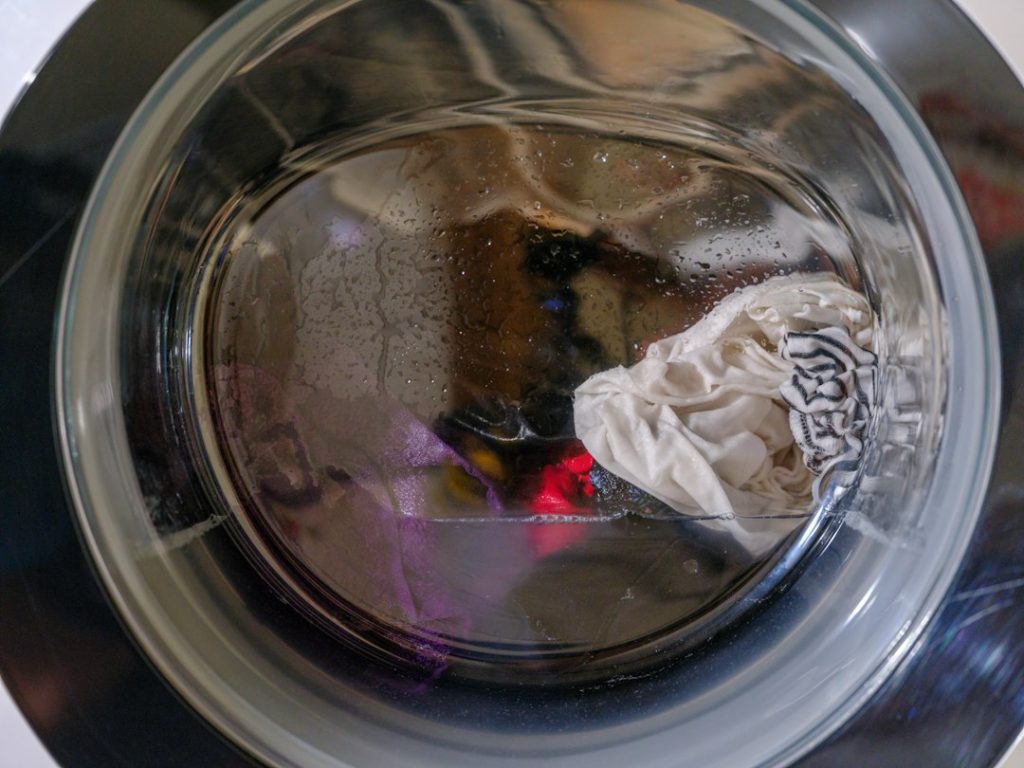
Method A (Washing Machine): Place your jeans in the washing machine and select the hottest water setting available (usually ‘Hot’ or ‘Sanitize’). Add a small amount of detergent if you wish, but it’s not strictly necessary for shrinking. Run a full wash cycle or just a soak cycle if your machine allows. The goal is for the jeans to become completely saturated and heated through.
Method B (Bathtub or Large Basin): If you don’t have a washing machine or want more control, fill a bathtub or a large basin with the hottest tap water you can get. Submerge the jeans completely, ensuring they are fully saturated. Let them soak for at least 30-60 minutes. You might need to periodically add more hot water to maintain the temperature. This prolonged hot water exposure swells the cotton fibers, preparing them to contract.

Step 2: The Tumble Dry Technique (Lock in the Shrink)
Once the jeans have had their hot water bath, it’s time to introduce high heat to set the shrinkage. Do NOT wring them out aggressively. Instead, transfer the wet jeans directly into the tumble dryer. Set the dryer to the highest heat setting available (usually ‘High’ or ‘Ultra Heat’).
Run the dryer for a full cycle. The combination of intense heat and tumbling action causes the swollen cotton fibers to contract and lock into their new, smaller size as they dry. This step is critical for making the shrinkage permanent.
Important Note: Avoid using dryer sheets during this process, as they can sometimes interfere with the fibers’ ability to shrink effectively or can leave a residue.
Checking the Fit and Repeat if Necessary
After the first high-heat dry cycle, carefully remove the jeans while they are still warm. Try them on. Assess the fit. Did they shrink down to the desired one size smaller? Often, one round is enough, but sometimes stubborn denim requires a second pass.
If the jeans are still too baggy, repeat the entire process: re-soak in hot water (you might not need as long this time, perhaps 15-20 minutes) and then tumble dry on high heat again. Some extreme cases might need a third round, but be mindful that excessive heat and agitation can weaken denim fibers over time.
The Science Behind Shrinking Denim
Understanding Cotton and Heat Sensitivity
Denim is typically made from cotton, a natural cellulosic fiber. Cotton fibers are made of long chains of cellulose molecules. When exposed to water, especially hot water, these molecular chains absorb moisture and swell. This swelling causes the fibers to expand and loosen their structure. Crucially, cotton fibers have a natural ‘crimp’ or waviness. When wet, this crimp becomes more pronounced. Heat then acts as a catalyst: as the fibers dry under high temperatures, they contract and try to return to their original, more compact state, but due to the loosened structure from the water, they often settle into a smaller, denser configuration. This is the fundamental principle behind shrinking cotton garments.
Why Hot Water and Tumble Drying Works
The combination of hot water and a high-heat tumble dryer is so effective because it addresses both the expansion and contraction phases. The hot water soak achieves maximum fiber swelling. This is essential because dry cotton doesn’t shrink much from heat alone; it needs the internal structure to be loosened by moisture first. The tumble dryer then provides the necessary heat and agitation to force the swollen, relaxed fibers to re-knit themselves into a tighter weave as they dry. High heat accelerates this process, making the shrinkage more significant and, ideally, permanent. The tumbling action also helps distribute the heat evenly, preventing harsh spots and encouraging uniform contraction.
Pro Tip:s for Perfect Shrinkage Without Ruining Your Jeans
Targeting Specific Areas (Waistband, Length, Thighs)
Shrinking an entire pair of jeans down a full size often means some areas might shrink more than others. Denim naturally shrinks most effectively along the grain, typically affecting the length and width of the legs. The waistband can be trickier. If your primary issue is a baggy waist, focus your efforts there after the initial soak. Try drying the waistband area more intensely. You can achieve this by:
- Partial Drying: Dry the jeans on high heat for about 20-30 minutes, then pull them out while still damp, focusing on the waistband.
- Towel Method: Roll up a thick towel and place it inside the waistband area of the jeans while they tumble dry. The towel absorbs moisture, concentrating the heat on the denim.
- Targeted Ironing: After a partial dry, use a hot iron (with steam or a damp cloth barrier) directly on the waistband to encourage it to contract. Be cautious not to scorch the fabric.
Shrinking the thighs or seat is generally less predictable and often requires a full shrinkage cycle. If only the length is an issue, you might get away with just a hot water soak and hang-drying, but heat is usually needed for significant contraction.
Avoiding Common Shrinking Mistakes
- Over-Shrinking: The biggest fear is shrinking them too much. This is why starting with a soak and then a controlled high-heat dry is recommended over just blasting them on high heat from the start. Always err on the side of caution; you can always shrink more, but you can’t un-shrink.
- Uneven Shrinking: This happens when the heat or water isn’t applied evenly. Ensure full submersion during the soak and check that the jeans aren’t clumped up in the dryer.
- Shrinking Blends: Jeans with significant synthetic blends (polyester, spandex, elastane) often don’t shrink uniformly or may lose their stretch and become rigid. 100% cotton is king for predictable shrinkage.
- Ignoring Care Labels: While we often push the limits, if a label says “Dry Clean Only” or “Do Not Tumble Dry,” there’s usually a reason. Extreme heat or water might damage specific dyes, finishes, or integrated stretch fibers.
Best Denim Types for Shrinking
As mentioned, 100% cotton denim is your best bet. Look for raw denim or selvedge denim, as these are often less processed and contain higher cotton content, making them more responsive to heat and water. Denim weight also plays a role; heavier ounce denim tends to shrink more dramatically than lighter-weight fabrics. Avoid jeans with a high percentage of elastane or spandex (generally over 2-3%), as these synthetic fibers are designed for stretch and recovery and will fight the shrinking process, often leading to a stiff, oddly-fitting garment.
When to Consider Tailoring Instead
Shrinking is Best for moderate size adjustments – taking jeans down a half to a full size. If your jeans are dramatically too large (e.g., two or more sizes down), or if you need very specific adjustments (like altering the crotch depth or taking in seams precisely), tailoring is the superior option. A tailor can remove excess fabric surgically, ensuring a perfect fit without compromising the garment’s integrity or risking uneven shrinkage. For expensive or cherished denim, tailoring is often the safer, albeit more costly, route.
Troubleshooting Common Shrinking Issues
Jeans Not Shrinking Enough: What Went Wrong?
- Insufficient Heat: Was the water hot enough during the soak? Was the dryer set to high heat for a sufficient duration?
- Synthetic Blend: The jeans might contain too much synthetic fiber, which resists shrinking.
- Improper Technique: Were the jeans fully saturated? Did you avoid overloading the dryer?
- Denim Type: Some denim weaves or finishes are designed to be more stable and shrink less.
Solution: Repeat the hot water soak and high-heat dry cycle. Consider extending the soak time or the drying time. If they still don’t shrink adequately, they might be a blend that simply won’t conform.
Jeans Shrunk Too Much: Can You Reverse It?
Reversing significant shrinkage is difficult, especially if the denim has been subjected to prolonged high heat. However, there are some methods to try:
- Gentle Re-wetting and Stretching: Dampen the jeans slightly with lukewarm water (not hot). While damp, gently stretch the areas that are too tight (waistband, inseam). You might need to wear them while they air dry to help them regain some shape.
- Conditioner Soak: Some people report success using fabric softener or hair conditioner in a cool water soak. This can help relax the fibers. After soaking, gently stretch and air dry.
These methods offer minor relief, but drastic over-shrinking is often irreversible. This highlights the importance of proceeding cautiously.
Dealing with Uneven Shrinkage
Uneven shrinkage often results in one leg being shorter than the other, or the waist shrinking more than the seat. This usually stems from how the jeans were positioned in the wash or dryer, or inconsistencies in the fabric itself.
Solution: If the shrinkage is minor, you can try the targeted stretching methods mentioned above. For significant or unfixable unevenness, tailoring is your only reliable option to correct the asymmetry.
Maintaining the Fit After Shrinking Your Jeans
Washing and Drying Best Practices
To maintain the newly shrunk fit and prevent your jeans from immediately becoming baggy again:
- Wash Less Frequently: Every wash cycle contributes to wear and potential stretching. Spot clean minor stains when possible.
- Use Cold Water: When you do wash, opt for cold water settings. This helps preserve the fabric integrity and minimizes further shrinkage or stretching.
- Gentle Cycles: Use a delicate or gentle wash cycle.
- Air Dry Whenever Possible: Hang drying is the gentlest method. It prevents the high heat and tumbling that can break down fibers and cause stretching out over time. If you must use a dryer, use a low heat setting and remove the jeans while slightly damp, allowing them to finish drying on a hanger.
Preventing Future Bagging
The best way to prevent jeans from becoming baggy is to buy them in the correct size initially or to choose styles that fit well from the start. However, if you have a pair that has shrunk successfully, maintaining that fit involves consistent, gentle care. Avoid activities that put excessive stress on the denim in specific areas. Rotating your wardrobe and not wearing the same pair every day can also help them retain their shape longer.