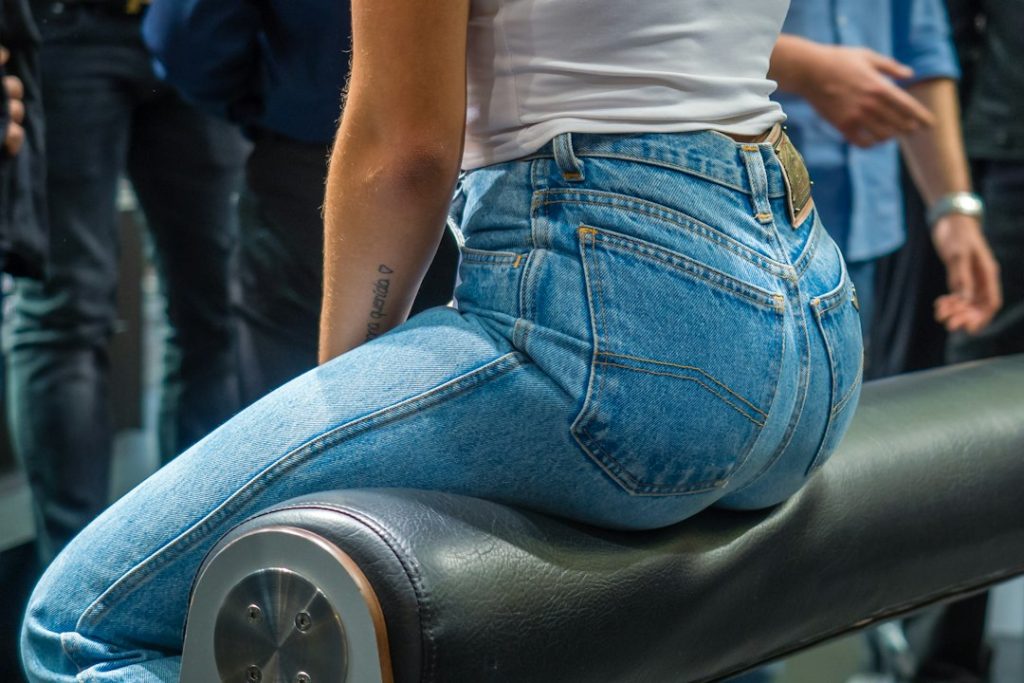
The edge finish on a pair of jeans might seem like a minor detail, but for denim enthusiasts and those who appreciate meticulous craftsmanship, it’s a defining characteristic. The outseam, the seam running down the outside of the leg, can be constructed in several ways, with two primary methods dominating the market: the selvedge outseam and the overlock serged edge. This distinction goes far beyond mere aesthetics; it speaks to the machinery used, the production process, the durability, and even the subtle styling nuances that true denim aficionados value. Understanding the differences between these two edge types is crucial for anyone looking to invest in quality denim that not only looks good but is built to last and tells a story of its creation.
The Selvedge Advantage: Unpacking the Iconic Outseam
Selvedge denim, often referred to as “selvage,” is synonymous with heritage, quality, and a certain romanticism in the world of jeans. Its distinct characteristics stem from the traditional manufacturing process that yields a uniquely finished edge, setting it apart from mass-produced alternatives.
What Exactly is a Selvedge Outseam?
The term “selvedge” is a contraction of “self-finished edge.” In denim, this refers to the tightly woven, finished edge of the fabric produced by traditional shuttle looms. When this fabric is used to construct jeans, the outseam is often designed so that this self-finished edge is visible on the outside of the leg, typically turned inward but subtly showing its characteristic clean, sealed edge. This contrasts sharply with modern denim production, where fabric is often cut from wider rolls, leaving raw edges that require finishing.
The Craftsmanship: Shuttle Loom Weaving Explained
The hallmark of selvedge denim is its creation on narrow shuttle looms. These machines, unlike modern high-speed projectile looms, operate by passing a shuttle containing the weft yarn back and forth through the warp yarns. This process is slower and more intricate, resulting in a fabric that is typically narrower (around 28-36 inches wide) and possesses a unique density and tight weave. The shuttle loom’s design inherently creates a clean, self-finished edge on both sides of the fabric roll, preventing fraying without the need for additional stitching.

Rolling Visibility: The Distinctive Red Line and Its Meaning
Perhaps the most recognizable feature of selvedge denim is the “red line” (or sometimes white, blue, or green) that runs along the self-finished edge. This colored selvedge ticker is a byproduct of the weaving process, often using a red thread as a marker for the loom or to signify a particular weave. When jeans are constructed with the selvedge outseam, this line becomes a subtle yet unmistakable indicator of the fabric’s origin and the traditional manufacturing method. True denim purists often cuff their jeans specifically to display this iconic red line, a signal of authenticity and appreciation for the craft.
Durability and Longevity: How Selvedge Holds Up
The tight, dense weave characteristic of selvedge denim, produced by shuttle looms, contributes significantly to its durability. This close construction makes the fabric more resistant to tearing and abrasion. Furthermore, the self-finished edge itself is inherently strong and less prone to unraveling compared to raw edges that are subsequently stitched. Over time, selvedge denim is known to age beautifully, developing unique fades and wear patterns that are a testament to its robust construction and the wearer’s lifestyle.
The Overlock Serged Edge: Modern Efficiency and Clean Finishes
In contrast to the traditional methods of selvedge production, the overlock serged edge represents the efficiency and standardized finishing common in modern apparel manufacturing. It’s a practical solution that ensures a clean look and prevents fraying, albeit through a different process.
Understanding the Overlock Stitch
An overlock stitch, commonly known as a serger stitch, is created by a specialized sewing machine that sews, trims, and finishes the fabric edge simultaneously. It typically uses multiple threads (often three or four) to loop around the raw edge of the fabric. This creates a strong, secure seam that prevents the material from unraveling. While effective, it’s a secondary finishing process applied to the fabric edge after it has been cut from a wider bolt, unlike the inherent self-finished edge of selvedge.
Production Speed and Cost-Effectiveness
Modern machinery, including overlock machines, allows for significantly faster production speeds compared to the laborious process of shuttle loom weaving. Fabric is typically produced in much wider rolls (often 60 inches or more), allowing manufacturers to cut multiple pairs of jeans from a single width, maximizing material usage and minimizing waste. This efficiency translates directly into lower production costs, making overlock-finished jeans more accessible and affordable for a broader market.
Aesthetic Appeal: The Clean, Finished Edge
The primary aesthetic benefit of an overlock serged edge is its consistently clean and tidy appearance. The serger stitch neatly encases the raw edge, presenting a smooth, uniform finish on the inside of the garment. For consumers who prefer a minimalist and impeccably finished interior, the overlock provides a professional look that is free from the raw, potentially unraveling edges found on unfinished seams. It offers a streamlined, modern sensibility.

Potential Drawbacks: Fraying and Less Distinctive Rolling
While durable, the overlock stitch can eventually wear down or unravel if subjected to extreme stress or prolonged use, especially if the threads themselves break. Unlike the integrated self-finished edge of selvedge, the overlock is an added layer of stitching. Furthermore, overlock-finished seams lack the distinctive “red line” or other markers that signify selvedge denim. This means that even if the edge is neatly finished, it doesn’t carry the same visual cues of heritage craftsmanship, and the characteristic “roll” or cuff of jeans won’t display a unique artisanal marker.
Selvedge vs. Overlock: A Direct Comparison for the Discerning Consumer (2026)
When choosing between selvedge and overlock finishes, consumers are essentially weighing different values: heritage craftsmanship against modern efficiency, unique character against clean uniformity, and perceived durability against cost-effectiveness.
| Feature | Selvedge Outseam | Overlock Serged Edge |
|---|---|---|
| Weaving Method | Traditional shuttle looms (narrow width) | Modern high-speed looms (wide width) |
| Edge Finishing | Self-finished edge woven into fabric | Stitched overlock seam applied post-cutting |
| Distinctive Marker | Often features a colored ticker (e.g., red line) | No inherent marker; uniform stitching |
| Craftsmanship Perception | High heritage, artisanal, labor-intensive | Modern, efficient, mass-produced |
| Durability (Initial) | Very high due to dense weave | High, relies on thread strength |
| Aesthetic | Unique character, visible selvedge line | Clean, uniform, minimalist finish |
| Production Cost | Higher | Lower |
| Typical Price Range (Jeans) | $150 – $400+ | $40 – $150 |
Craftsmanship Differences: Hand vs. Machine
The fundamental difference lies in the machinery and process. Selvedge denim is a product of shuttle looms, which are slower and require more traditional manufacturing techniques. This process imbues the fabric with a character that many associate with hand-crafted quality, even though it’s machine-made. Overlock finishing, on the other hand, is a hallmark of modern, high-volume apparel production. It’s efficient, precise, and standardized, focusing on a clean, functional finish delivered quickly and economically.
Durability and Repairability: Which Edge Lasts Longer?
Both finishes are designed for durability. Selvedge denim’s dense weave is inherently robust, and its self-finished edge is less prone to catastrophic unraveling. Overlock stitches, when well-executed with quality threads, are also very strong. However, the selvedge edge is arguably more resilient to extreme wear because its integrity is woven into the fabric itself. Repairing a frayed overlock seam might involve re-stitching, whereas the selvedge edge is more about maintaining the fabric’s inherent structure. In terms of longevity, well-maintained selvedge often develops a patina and character that overlock simply doesn’t replicate.
Visual Cues: Identifying Selvedge vs. Overlock
The easiest way to identify selvedge denim is to look for the colored ticker along the outseam, particularly when the jeans are cuffed. If you see a neat, woven edge, often with a contrasting thread (red being the most classic), it’s likely selvedge. If the seam appears as a series of looped stitches encasing a raw edge, it’s an overlock finish. The selvedge edge is typically slightly thicker and has a more textured feel compared to the smoother, stitched finish of an overlock seam.
The “Roll” Factor: Visibility and Style Implications
The “roll” – the way jeans cuff or roll up – is where the selvedge outseam truly shines for enthusiasts. The visible selvedge line adds a distinctive visual element, serving as a subtle badge of honor. It’s a deliberate styling choice that communicates an appreciation for the details. With overlock finishes, the cuff presents a clean, unadorned edge. While neat, it lacks the unique narrative and visual flair that the selvedge line provides. For those who value visible markers of craftsmanship, selvedge offers a clear advantage.
Price Point Implications: What You’re Paying For
The higher cost of selvedge denim is directly attributable to the slower, more resource-intensive shuttle loom production process and often the use of higher-quality cottons and dyes. Consumers pay a premium for the heritage, the unique fabric characteristics, the enhanced durability, and the artisanal appeal. Overlock-finished jeans are generally more affordable because they are produced using highly efficient, modern machinery and wider fabric widths, enabling mass production at a lower cost per unit. You are paying for modern efficiency and a clean, functional finish.
Selvedge Outseam
👍 Pros
- Exceptional craftsmanship and heritage appeal
- Unique, self-finished edge resistant to unraveling
- Distinctive visual marker (e.g., red line) for styling
- Often associated with higher quality denim fabric
- Develops unique fades and ages beautifully
👎 Cons
- Significantly higher price point
- Slower and more expensive production
- Fabric is typically narrower, limiting design options
- Can be perceived as less “modern” by some
Overlock Serged Edge
👍 Pros
- More affordable and accessible
- Efficient and fast production
- Provides a clean, uniform, and finished edge
- Fabric can be produced in wider widths
- Ideal for minimalist aesthetics
👎 Cons
👎 Cons
- Lacks the heritage and artisanal appeal of selvedge
- No distinctive visual marker on the outseam
- Can fray or unravel if stitching is damaged
- Often associated with less premium denim fabrics
Beyond the Stitch: Other Factors in Denim Craftsmanship
While the outseam finish is a significant differentiator, it’s just one piece of the puzzle when evaluating denim craftsmanship. Several other elements contribute to the overall quality, feel, and longevity of a pair of jeans.
Fabric Weight and Type
Denim fabric weight, measured in ounces per square yard (oz/yd²), is a critical factor. Lightweight denim (under 11 oz) is comfortable and breathable, suitable for warmer climates or casual wear. Mid-weight denim (11-15 oz) is the most common and versatile. Heavyweight denim (16 oz and above) is exceptionally durable, offers strong structure, and develops rugged fades, but requires a longer break-in period. The type of cotton (e.g., American, Egyptian, organic) and the weave structure (e.g., twill, broken twill) also impact the denim’s feel, drape, and aging properties.
Hardware (Buttons, Rivets)
The quality of metal hardware—rivets at stress points (like pocket corners) and buttons on the fly—is indicative of overall build quality. Reputable brands often use durable, well-finished hardware from established suppliers like YKK or Scovill. The design and finish of these components contribute to both the aesthetic and the structural integrity of the jeans. Cheaper hardware can become discolored, snag fabrics, or even break over time.

Pocket Construction
The construction of pockets, including the stitching, reinforcement, and lining materials, matters. Details like reinforced pocket openings to prevent tearing, sturdy pocket bags (e.g., twill or heavy cotton), and the placement and design of back pockets all contribute to functionality and durability. Intricate stitching patterns on back pockets can be purely decorative or can signify a particular brand’s heritage.
Fit and Silhouette
Ultimately, how a pair of jeans fits and drapes on the body is paramount. Whether a brand offers slim, straight, tapered, relaxed, or wide-leg fits, the precision of the cut and the consistency of the silhouette are crucial. A well-executed fit ensures comfort and enhances the wearer’s style, regardless of the outseam construction. Brands specializing in heritage denim often excel in offering classic, timeless fits designed to age gracefully.
Choosing Your Denim: Selvedge or Overlock for Your Style (2026)
The decision between selvedge and overlock denim hinges on individual priorities, budget, and aesthetic preferences. Both have their place, catering to different segments of the denim market.
The Purist’s Choice: When Selvedge is Non-Negotiable
For the dedicated denim enthusiast, the hobbyist, or the individual who views jeans as a long-term investment, selvedge is often the preferred, if not mandatory, choice. They appreciate the story behind the fabric, the meticulous craftsmanship, the unique aging potential, and the subtle status symbol of the selvedge line. These consumers are willing to pay a premium for authenticity and a product that connects them to traditional manufacturing methods. Brands like Iron Heart, Momotaro, and Pure Blue Japan are prime examples often sought by selvedge aficionados.
The Practical Choice: When Overlock Meets Your Needs
For the average consumer, the budget-conscious shopper, or someone prioritizing everyday comfort and ease of care, overlock-finished denim is often the more practical option. These jeans provide a clean, durable, and stylish finish at a fraction of the cost. They are widely available from major apparel brands and offer excellent value for money, delivering reliable performance for daily wear without the need for specialized knowledge or a significant financial commitment. Brands like Levi’s (standard models), Gap, and Uniqlo frequently utilize overlock finishes.
Innovative Blends: Brands Merging Tradition and Modernity
The landscape of denim is not strictly binary. Many brands expertly blend traditional techniques with modern innovations. Some may use selvedge denim but employ contemporary fits or washes. Others might use high-quality, non-selvedge denim with superior overlock finishing and construction details, offering a compelling balance of quality and value. Exploring brands that focus on overall garment construction, fabric quality, and fit—beyond just the outseam—can lead to discovering excellent options that bridge the gap between heritage and modern appeal.

How to Care for Your Selvedge and Overlock Denim to Maximize Lifespan (2026)
Proper care is essential for extending the life and enhancing the appearance of any denim, whether selvedge or overlock. The goal is often to preserve the indigo dye, encourage natural fading, and maintain the fabric’s integrity.
Washing Techniques for Raw and Treated Denim
For raw, unwashed selvedge denim, the purist approach is to avoid washing for as long as possible, allowing unique fades to develop from wear. When washing becomes necessary, opt for a cold soak or a gentle cold wash cycle, inside out, with minimal detergent (or a specialized denim wash). Avoid hot water, which can strip dye rapidly and cause excessive shrinkage. Overlock jeans, especially those that are pre-washed or treated, can typically handle more frequent washing, but always follow the care label instructions. Gentle cycles and cold water remain the best practice for preserving color and fit.
Drying and Storing Your Jeans
Air drying is king for denim. Hang your jeans inside out, away from direct sunlight (which can cause fading and damage fibers), and allow them to dry naturally. Avoid machine dryers whenever possible, as the heat can shrink the denim, damage the fibers, and set in wrinkles. If a dryer is absolutely necessary, use the lowest heat setting or an air-fluff cycle. Store folded jeans in a cool, dry place. Hanging can stretch the fabric over time, particularly the waistband.
Repairing Common Wear and Tear
Common wear points include the crotch, knees, and back pockets. Small holes or thinning areas can often be repaired with careful darning or patching, either by hand or by a professional tailor. For selvedge denim, some enthusiasts even opt for visible mending techniques (like Sashiko stitching) that become part of the jean’s character. For overlock seams that begin to fray, a few stitches from a sewing machine can often reinforce the edge and prevent further unraveling. Addressing wear and tear early is key to preventing minor issues from becoming major damage.
👑 Ultimate Winner: The Discerning Consumer
The true winner isn’t a specific seam type, but the informed consumer who understands the distinct values and characteristics each offers. For those seeking unparalleled heritage, unique character, and the ultimate canvas for personal fades, Selvedge Outseam represents the pinnacle of denim craftsmanship, justifying its premium price. It’s for the enthusiast who cherishes the story, the process, and the deep connection to traditional textile manufacturing. Conversely, for the vast majority seeking durable, stylish, and practical jeans at an accessible price point, Overlock Serged Edge denim provides exceptional value and consistent quality. It embodies modern efficiency and clean aesthetics, meeting the needs of everyday wearers perfectly. The choice depends entirely on your priorities: heritage and artisanal appeal versus modern practicality and value.