The enduring appeal of a well-fitting pair of jeans is undeniable. Yet, the quest for that perfect, crisp, yet comfortable denim look is often marred by an unwelcome foe: creases. In 2026, as laundry technology advances and our understanding of fabric care deepens, two primary methods for washing jeans dominate the discourse on crease prevention: the time-honored bathtub soak and the modern front-load washing machine’s spin cycle. This article dives deep into both approaches, dissecting their effectiveness, impact on denim, and the overall user experience to help you conquer those stubborn wrinkles.
The Great Jean Debate: Bathtub Soak vs. Washing Machine Spin
For decades, denim enthusiasts have debated the optimal method for cleaning jeans without sacrificing their shape or introducing unsightly wrinkles. The bathtub soak, a hands-on, often water-intensive process, appeals to those who value control and a gentle approach. Conversely, the front-load washing machine, particularly its high-speed spin cycle, offers a convenient, automated solution that many rely on for efficiency. But which method truly reigns supreme when it comes to combating creases and preserving the integrity of your favorite denim?
Understanding Denim Creasing: Why It Happens
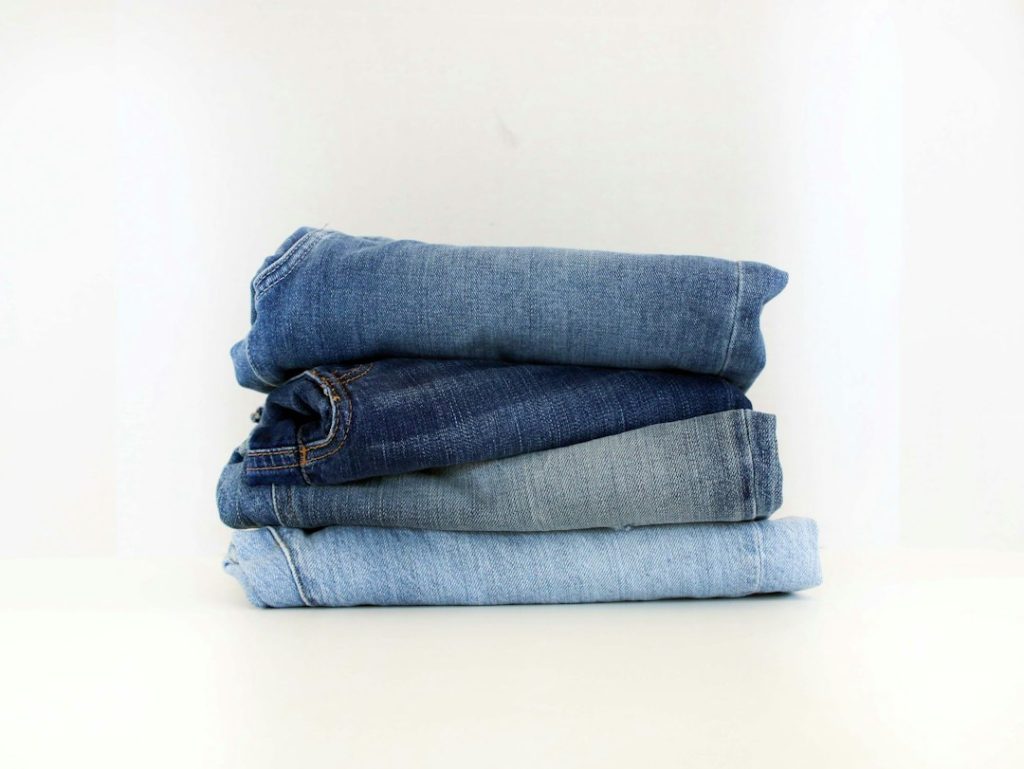
Denim, a sturdy cotton twill textile, is prone to creasing due to the nature of its weave and fiber structure. When jeans are subjected to tension, friction, and moisture, the cotton fibers can bend and lock into new positions, forming sharp lines or wrinkles. Washing, drying, and even wearing jeans can contribute to creasing. Front-load washers, with their high RPM spin cycles, are particularly notorious for creating deep-set creases as the centrifugal force presses the wet fabric against the drum. Soaking, while gentler, can still lead to creasing if the jeans are not handled carefully during the drying process.

The Bathtub Method: A Deep Dive into Soaking Jeans
The bathtub soak is a traditional method that involves filling a bathtub with cool or lukewarm water, adding a mild detergent (or opting for no detergent at all for a simple rinse), and submerging the jeans. The jeans are typically left to soak for a period ranging from 30 minutes to several hours, or even overnight, depending on the desired outcome and the level of dirt. The gentle immersion allows dirt and oils to be loosened without the harsh mechanical action of a washing machine. Post-soak, the jeans are carefully removed, excess water is gently squeezed out (never wrung), and they are hung to air dry, ideally spread flat or hung by the waistband to minimize stress on the fabric. This method is lauded for its gentleness, minimal agitation, and potential to preserve the original color and fit of the jeans, thereby reducing the likelihood of deep-set creases forming during the wash itself.
Bathtub Soak: Pros & Cons
- Pros: Extremely gentle on fabric, minimal agitation, preserves color and raw denim integrity, precise control over the washing process, reduces mechanical stress that causes deep creases.
- Cons: Time-consuming, labor-intensive, uses a significant amount of water, requires dedicated space, air drying can still lead to some wrinkling if not managed properly.
The Front Load Washer Spin Cycle: High-Tech Crease Creation?
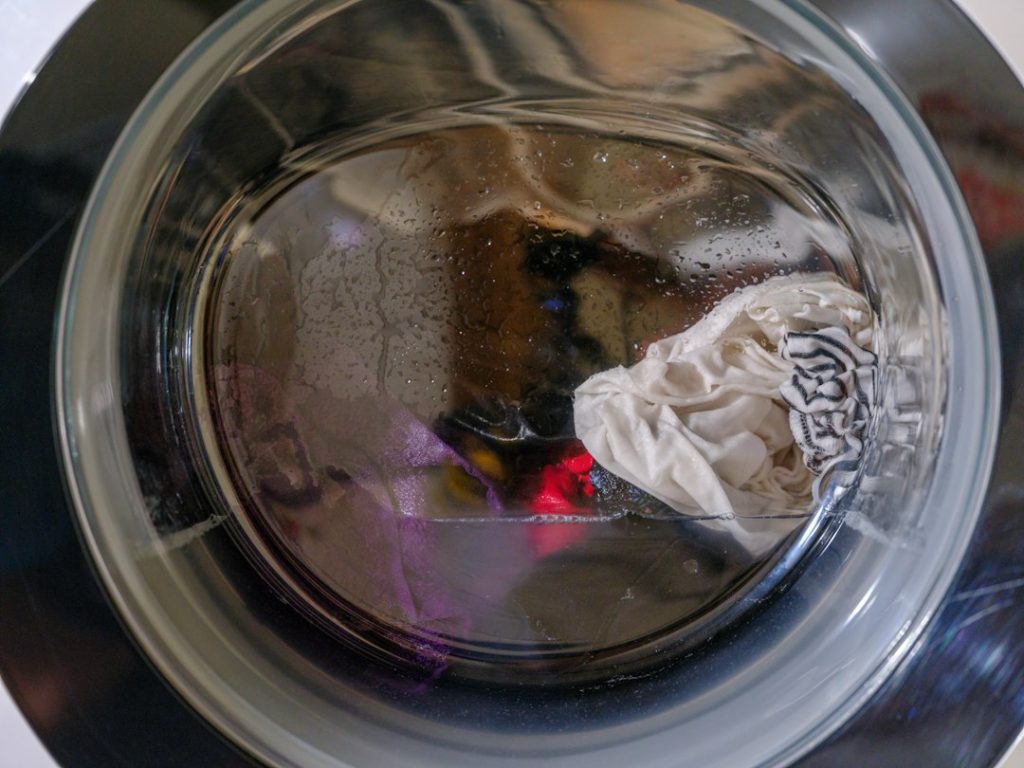
Modern front-load washing machines are engineered for efficiency and cleaning power. Their washing action involves tumbling clothes in a drum with water and detergent. The crucial stage for crease formation is the spin cycle, where the drum rotates at extremely high speeds (often exceeding 1000 RPM). This rapid spinning extracts water through centrifugal force, but it also presses the wet fabric tightly against the drum walls. This intense pressure, combined with the dampness of the cotton fibers, can lock in sharp, undesirable creases that are difficult to remove. While front-loaders are generally more water and energy-efficient than top-loaders and gentler in their wash action, the spin cycle remains a significant factor in denim creasing.
Comparative Analysis: Bathtub vs. Front Load Washer for Crease Control
When directly comparing the two methods, several key differences emerge regarding their impact on jeans and the user experience.
| Feature | Bathtub Soak | Front Load Washer Spin Cycle |
|---|---|---|
| Crease Formation Potential | Low (during wash), Moderate (during drying if not careful) | High (during spin cycle) |
| Fabric Agitation | Minimal | Moderate (wash cycle), High (spin cycle force) |
| Color Preservation | Excellent | Good (with appropriate settings) |
| Time Investment | High (passive soaking time + active drying management) | Low (automated cycle) |
| Water Usage | High (per load) | Moderate (generally more efficient than top-loaders) |
| Energy Usage | Low (no electricity for machine) | Moderate (electricity for machine, potentially for heating water) |
| Effort Required | High (manual handling, squeezing, hanging) | Low (load, select, unload) |
Texture & Feel: Post-Soak vs. Post-Spin
Jeans washed via the bathtub method often retain a softer, more pliable feel. The gentle, prolonged immersion allows fibers to relax without being aggressively manipulated. This results in a denim that feels naturally lived-in, with fewer stiff creases marring the surface. Conversely, jeans emerging from a front-load washer’s spin cycle can feel stiffer, with noticeable lines pressed into the fabric. While these creases might eventually soften with wear, their initial presence can detract from the aesthetic and tactile experience. The high-speed spin physically compacts the fibers, sometimes leading to a slightly denser or less breathable feel immediately after washing.
Durability & Wear: The Long-Term Impact
The bathtub soak, by minimizing mechanical stress and abrasion, is generally considered superior for long-term denim durability. Harsh agitation and high-speed spinning can weaken cotton fibers over time, leading to premature wear, especially at stress points like knees and seams. While a carefully managed air-dry after soaking is crucial, the initial washing process is far less damaging. The front-load washer’s spin cycle, while efficient, can contribute to faster wear if jeans are consistently spun at very high RPMs. For raw denim purists who aim to develop unique fades and preserve their jeans for years, the bathtub method is often the preferred choice due to its gentle nature.

Time & Effort: Which Method Reigns Supreme?
In terms of sheer convenience and time efficiency, the front-load washer is the clear winner. You load the machine, select a cycle, and walk away. The entire process, from wash to spin, is automated. The bathtub method, however, demands significant user involvement. It requires filling and draining the tub, carefully handling heavy, wet denim, gently squeezing out water, and then meticulously hanging the jeans to dry. While the active time might not be excessive, the overall process is far more labor-intensive and time-consuming.
Water & Energy Consumption: An Eco-Conscious Comparison
This is where the comparison becomes nuanced. Modern front-load washers are designed for water and energy efficiency. They use significantly less water than older top-load models and often use less water than filling an entire bathtub. Their spin cycles also reduce drying time, indirectly saving energy if a dryer is used. However, the bathtub method uses no electricity to power a machine, only the water itself. If you’re simply rinsing jeans without detergent or using cold water, the energy cost is minimal beyond the heated water if used. For eco-conscious consumers, the overall footprint depends on how the bathtub soak is managed (water temperature, detergent use) versus the specific efficiency rating of the front-load washer and its spin cycle settings.
Mitigating Creases: Best Practices for Both Methods
Regardless of your chosen method, certain practices can help minimize creasing and keep your jeans looking their best.
For the Bathtub Soakers: Preventing Wrinkles Before and After
Before Soaking: Turn jeans inside out to protect the outer surface. Avoid overcrowding the tub; give each pair ample space. If using detergent, opt for a specialized denim wash or a mild, color-safe detergent. Do not use fabric softener, as it can alter the denim’s texture and reduce breathability.
After Soaking: Crucially, do not wring or twist the jeans. Gently press out as much excess water as possible. Lay the jeans flat on a clean towel and roll them up to absorb more moisture. When hanging, use a sturdy hanger through the waistband, or ideally, hang them from the waistband with clips on a drying rack, allowing them to hang straight to prevent new creases from forming as they dry. Smooth out any visible wrinkles with your hands while the denim is still damp.
For the Front Load Users: Spin Cycle Strategies to Minimize Creasing
Select the Right Cycle: Use the “Delicates,” “Hand Wash,” or a specific “Jeans” cycle if your machine has one. These cycles typically use lower spin speeds and gentler drum movements.
Lower the Spin Speed: This is paramount. If your machine allows, reduce the RPMs significantly. Spins between 400-800 RPM are often sufficient for water extraction without inducing severe creasing. Avoid the maximum spin settings (1200+ RPM) for denim whenever possible.
Remove Promptly: Take jeans out of the washer immediately after the cycle finishes. Leaving damp clothes in the machine allows creases to set in. Shake them out vigorously before hanging or laying flat to dry.
Air Dry or Low Heat: Whenever possible, air dry jeans. If using a dryer, opt for the lowest heat setting and remove them while still slightly damp, then hang them to finish drying. Avoid over-drying, which can set creases permanently.
Advanced Techniques: Denim Care Beyond the Basics
For those seeking the ultimate in crease control, consider these advanced methods: Laying jeans flat to dry after a gentle wash (either by hand or on a low-spin machine cycle) can completely eliminate hanging-related creases. Some enthusiasts use a steamer or an iron on a low setting with a damp cloth barrier to tackle any residual wrinkles after drying, though this is generally reserved for formal occasions rather than everyday wear.
Expert Insights and Emerging Trends in Denim Care for 2026
The world of apparel care is constantly evolving, with a growing emphasis on sustainability and preserving garment longevity. Experts predict continued innovation in both washing machine technology and fabric care solutions.
Innovations in Washing Machine Technology
Manufacturers are increasingly incorporating features aimed at gentler fabric care and reduced creasing. This includes advanced drum designs with smoother surfaces, AI-powered sensors that adapt wash and spin actions to fabric types, and specialized “anti-crease” or “steam” functions designed to relax fibers post-wash. Expect to see more machines offering customizable spin profiles, allowing users finer control over the extraction process.
The Rise of Sustainable Denim Care
Beyond machine technology, there’s a significant push towards more sustainable and less resource-intensive denim care. This includes the development of biodegradable detergents, water-saving washing techniques, and even fabric treatments that reduce the need for frequent washing. The “less is more” philosophy, encouraging fewer washes and more air-drying, aligns with both environmental goals and the preservation of denim’s quality and appearance.
Final Verdict: Choosing Your Weapon Against Jean Creases
The choice between a bathtub soak and a front-load washer’s spin cycle hinges on your priorities: time, effort, and the desired outcome for your denim.
👑 Ultimate Winner: The Mindful Bathtub Soak (with caveats)
For the discerning denim connoisseur prioritizing fabric longevity, color preservation, and the absolute minimization of deep-set creases, the bathtub soak, when executed correctly, remains the superior method. Its gentleness on fibers and lack of aggressive mechanical action are unmatched. However, this comes at the cost of significant time and effort. The front-load washer, particularly when used with a lowered spin speed, appropriate cycle selection, and prompt removal, offers a viable and convenient alternative for everyday wear where absolute perfection is less critical than practicality. The key is to leverage the machine’s capabilities intelligently, rather than letting its high-speed spin dictate the fate of your denim’s crispness.
Best for: Raw denim aficionados, vintage denim collectors, those who value garment longevity and a softer, more natural feel, and individuals with ample time and patience. Most Practical for: Everyday jean wearers seeking convenience, busy individuals prioritizing speed, and those who can manage spin speeds and promptly remove laundry.