🧰 Tools & Gear You’ll Need
- 100% Cotton Raw Denim Jeans
- Bathtub or Large basin
- Clean Towels
- Optional: Denim softener (e.g., fabric softener, hair conditioner – use sparingly and with caution)
- Optional: Sturdy brush or denim stone
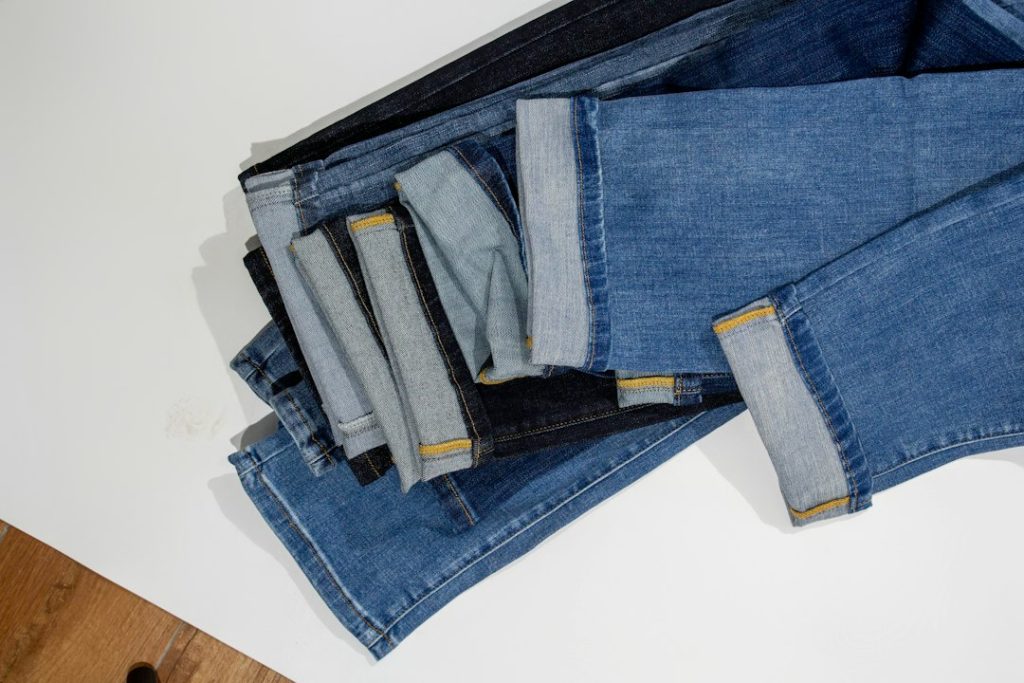
Stiff 100% cotton raw denim straight out of the package feels like wearing cardboard. It’s unforgiving, rigid, and frankly, uncomfortable. But that’s the beauty of raw denim – it’s a blank canvas waiting to mold to your body, creating a unique second skin with character-rich fades. The journey from stiff to sublime, however, requires patience and the right approach. This guide is your no-nonsense, battle-hardened walkthrough to breaking in those rigid jeans comfortably and efficiently, transforming them from a chore to wear into your favorite, perfectly fitted pair.
Understanding Raw Denim: Why the Stiffness and What to Expect
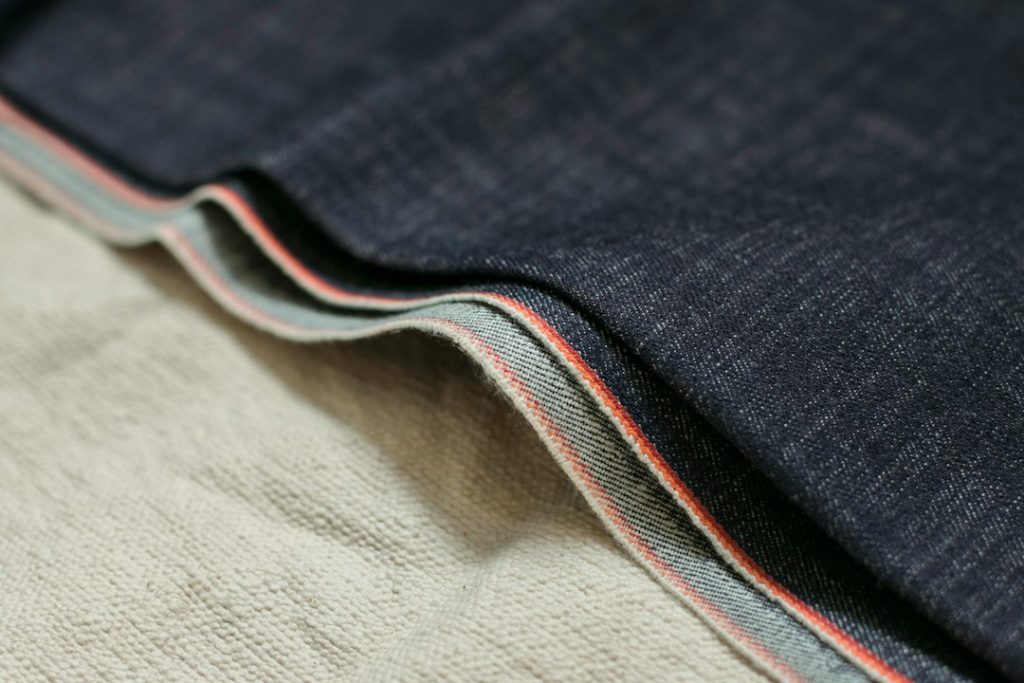
Raw denim, by definition, is denim that hasn’t been washed or treated after its initial indigo dye process. This means the cotton fibers are still tightly bound, packed with starch and dye, leading to that signature stiffness. It’s this unprocessed nature that allows for the most dramatic fades and a fit that eventually becomes uniquely yours. The stiffness is a temporary barrier, a sign of the denim’s potential.
The Beauty of 100% Cotton: Durability and Fade Potential
Pure 100% cotton is the gold standard for raw denim enthusiasts. It breathes well, offers exceptional durability, and crucially, develops the most visually stunning fades over time. Unlike blends with synthetics, pure cotton wears down in a way that highlights every crease, fold, and stress point, creating a personalized narrative etched into the fabric. The stiffness is a direct trade-off for this unparalleled aging potential and robust construction.
The “Breaking In” Process: Transforming Stiff Fabric into Custom Fit
The breaking-in process is essentially a controlled wearing-down of the denim’s starch and the softening of its cotton fibers. It’s about introducing flexibility and comfort through wear, heat, moisture, and movement. Think of it less as a task and more as a partnership between you and your jeans. The goal isn’t just to make them soft, but to shape them precisely to your body’s contours, creating wear patterns that tell your story.
Pre-Soak Strategies: Preparing Your Raw Denim for Comfort
Before you even think about wearing those stiff jeans for extended periods, a strategic initial soak can significantly ease the process. This step is debated among purists, but for comfort-focused breaking in, it’s often a wise move. The soak helps to remove excess starch and begins the softening process, making the subsequent wear much more bearable.
To Soak or Not to Soak: Debating the Initial Wash
The “no soak, no wash” rule is primarily for those chasing the absolute deepest, most uniform indigo fades, as washing can sometimes accelerate fading unevenly. However, for a comfortable break-in, an initial soak is a game-changer. It pre-conditions the denim, reducing the initial rigidity that can cause discomfort and even chafing. For practical comfort, a soak is recommended.
Cold Soak vs. Warm Soak: Impact on Fit and Feel
A cold soak is generally gentler and causes less shrinkage. It primarily rinses out excess starch and dye. A warm soak (not hot!) can accelerate the softening process slightly more and may induce a bit more shrinkage, helping to tighten the initial fit. For breaking in stiff jeans comfortably, a lukewarm soak is often the sweet spot – effective at softening without aggressive shrinkage.
Prepare Your Soak Basin
Find a clean bathtub or a large plastic basin. Ensure there are no residual cleaning chemicals that could damage the denim.
Fill with Lukewarm Water
Fill the basin with enough lukewarm water to fully submerge your jeans. Avoid hot water, which can cause excessive shrinkage and damage the indigo dye.
Submerge the Jeans
Place your raw denim jeans into the water. Ensure they are fully saturated. You can gently agitate them to help the water penetrate all the fibers.
Soak Time
Let the jeans soak for about 30-60 minutes. This is enough time to rinse out much of the starch and begin softening the cotton without causing significant shrinkage.
Drain and Rinse (Optional)
Drain the murky water. You can give the jeans a quick rinse under cool running water if you prefer, but it’s not strictly necessary.
Gentle Squeeze, No Wringing
Gently squeeze out excess water. Do NOT wring or twist the jeans, as this can damage the fibers and create unwanted creases. Roll them in a clean towel to absorb more moisture.
Air Dry
Hang your jeans to air dry, preferably away from direct sunlight or intense heat, which can fade the denim unevenly. Ensure they are hung in a way that allows air circulation around the entire garment.
Recommended Pre-Soak Techniques for Maximum Comfort
The key here is *lukewarm water* and *minimal agitation*. Don’t add any detergents or harsh chemicals. If you’re concerned about extreme stiffness, a very small amount of mild fabric softener or even hair conditioner can be added to the soak water *after* the initial starch rinse, but this is controversial and should be used sparingly, followed by a thorough cold rinse, as it can affect fading potential. For most, a plain water soak is sufficient.

The Active Break-In Method: Wearing Your Jeans Day-to-Day
This is where the real magic happens. Consistent, active wear is the most effective way to break in your raw denim. The combination of your body heat, movement, and the friction of wear will mold the denim into a perfect, personalized fit. Patience is key, but strategic wearing accelerates the process.
Your First 30 Days: Essential Wearing Habits
For the first month, aim to wear your jeans as much as possible. Treat them like your go-to pair. Wear them around the house, on errands, and for any activity that doesn’t involve excessive dirt or grime. Avoid washing them during this period. The goal is to let the fabric stretch and soften naturally through continuous wear.
Strategic Movements: Bending, Squatting, and Sitting for Faster Break-In
Incorporate specific movements throughout your day to speed up the breaking-in process. When you’re sitting, try to sit fully, bending your knees deeply. When standing, do deep squats and lunges. Bend over as if you’re tying your shoes frequently. These actions create stress points in the fabric, encouraging it to stretch and soften in the areas that need it most. Pay special attention to the knee, thigh, and crotch areas.

Identifying and Addressing Common Stiffness Hotspots
Certain areas tend to remain stiffer longer: the waistband, the area around the pockets, and the inseam, especially in the crotch. If you notice persistent stiffness or discomfort in these zones, focus your strategic movements there. You can also manually flex these areas when you’re not wearing the jeans. Gently bending the waistband back and forth or repeatedly creasing and uncreasing the fabric can help.
The Passive Break-In Methods: Accelerating Comfort While You’re Not Wearing Them
While wearing is paramount, you can supplement the process with passive techniques. These methods help soften the denim and pre-shape it even when you’re not actively wearing the jeans.
The Denim Shaping Technique: Molding Your Jeans to Your Body
When you take your jeans off, don’t just toss them aside. Hang them or fold them in a way that mimics your body’s contours. You can even gently stuff the leg areas or the seat to encourage them to hold a shape that aligns with your physique. This helps the denim remember the stretches and flexes made during wear.
Gentle Flexing and Folding: Quick Comfort Boosts
Take a few minutes each day to simply flex and fold the stiffest parts of the jeans. Knead the fabric like dough, bend the knees and waist repeatedly, and create sharp creases where you want them to form. This manual manipulation helps to break down the starch and relax the cotton fibers, offering a small but cumulative boost in comfort.
Environmental Factors: Humidity and Heat’s Role in Softening
Humidity can naturally help soften denim. If you live in a humid climate, this works in your favor. Conversely, excessive dry heat can sometimes make denim feel stiffer. While you can’t control the weather, simply being aware can help. Some people even use a *very* light mist of water on particularly stubborn areas before flexing them, mimicking a humid environment.

Advanced Techniques & Troubleshooting: Overcoming Stubborn Denim
Sometimes, despite your best efforts, certain areas remain unyieldingly stiff. Here’s how to tackle those stubborn spots and what to avoid.
Spot Treatment for Unruly Areas
For extreme stiffness in specific spots (like the edges of the waistband or the crotch), you can try a targeted approach. Lightly dampen the area with a spray bottle filled with clean water. Then, vigorously flex, bend, and work the fabric by hand. The added moisture helps lubricate the fibers, making them more pliable under stress.
The “Denim Spa” – A Deeper Dive into Softening Agents (Optional)
This is for the truly impatient or those with exceptionally stiff denim. You can give your jeans a more intensive soak. Use lukewarm water with a generous amount of fabric softener or even a conditioner. Let them soak for several hours or even overnight. Afterwards, rinse *thoroughly* in cold water to remove all residue. This method can significantly soften the denim but *may* impact the intensity and uniformity of your fades. Use with caution.
What to Avoid: Common Mistakes That Ruin Your Jeans
- Machine Washing/Drying Too Early: This is the cardinal sin. It prematurely fades the denim, softens it unevenly, and can cause excessive shrinkage.
- Using Hot Water: Hot water aggressively shrinks cotton and can damage the indigo dye, leading to blotchy fading.
- Harsh Detergents: Stick to plain water or, at most, specialized denim washes when you eventually do wash them. Regular detergents strip color and soften fibers too aggressively.
- Aggressive Scrubbing: While you want to break in the denim, don’t use abrasive brushes or stones that could damage the fabric’s integrity or create unintended holes.
- Ignoring Discomfort: Don’t push through pain. If a specific area is chafing or digging in, address it with the flexing or dampening techniques.
Maintaining Your Broken-In Raw Denim
Once your jeans are perfectly broken in, the goal shifts to maintaining that comfort and preserving the hard-earned fades. Proper care is crucial.
Washing and Care for Longevity and Comfort
Wash your raw denim as infrequently as possible. When it’s time, turn the jeans inside out, wash them in cold water on a gentle cycle, and use a minimal amount of specialized denim wash or a very mild detergent. Never machine dry them; always air dry, ideally turned inside out and away from direct sun.
Preserving Your Hard-Earned Fit and Fades
Air drying is key to preserving both fit and fades. The heat from a dryer can cause shrinkage and soften the denim in a way that diminishes the sharpness of your fades. Continue the strategic flexing and occasional dampening of specific areas if you notice any stiffness returning over time. Treat them well, and they’ll last for years.

Real-World Scenarios: Breaking In Jeans for Specific Activities
The breaking-in approach can be subtly adjusted based on how you intend to use your jeans.
Jeans for Work: Prioritizing Durability and Flexibility
If your job involves manual labor, focus heavily on deep squats, lunges, and bending motions from day one. The pre-soak is highly recommended here to mitigate initial discomfort. Prioritize stretching the knee and crotch areas. Consider the “Denim Spa” method if extreme stiffness is hindering movement. Durability is paramount, so avoid aggressive softening agents that might compromise fabric integrity.
Jeans for Casual Wear: Achieving Maximum All-Day Comfort
For everyday wear, consistency is key. Wear them around the house, during light activities, and for social outings. Focus on natural movements – sitting, walking, bending. The gentle flexing and folding techniques are great here. The goal is a relaxed, comfortable fit that feels like a second skin without sacrificing the unique character of raw denim.
Jeans for Style: Balancing Break-In with Aesthetics
Style-focused wearers might be more concerned with preserving indigo. In this case, a shorter initial soak (or even just a cold rinse) might suffice. Wear them consistently but avoid overly aggressive flexing that could create premature blowouts. Focus on wearing them naturally during activities that create natural creases (like sitting at a desk or walking), allowing fades to develop organically while maintaining a sharp appearance.