🧰 Tools & Gear You’ll Need
- A pair of wide-leg or raw selvedge jeans
- A flat, hard surface (like a table or clean floor)
- Optional: A measuring tape for precision
- Optional: A seam ripper (for fixing mistakes)
The Art of the Cuff: Why It Matters for Wide-Leg & Raw Selvedge Denim
Cuffing your jeans isn’t just about preventing them from dragging on the ground; it’s a deliberate style choice that can dramatically alter the silhouette and overall aesthetic of your outfit. For wide-leg and raw selvedge denim, mastering the cuff is particularly crucial. These styles often come with more fabric and unique characteristics that demand specific handling to look their best.
Elevating Your Style: Beyond Basic Folding
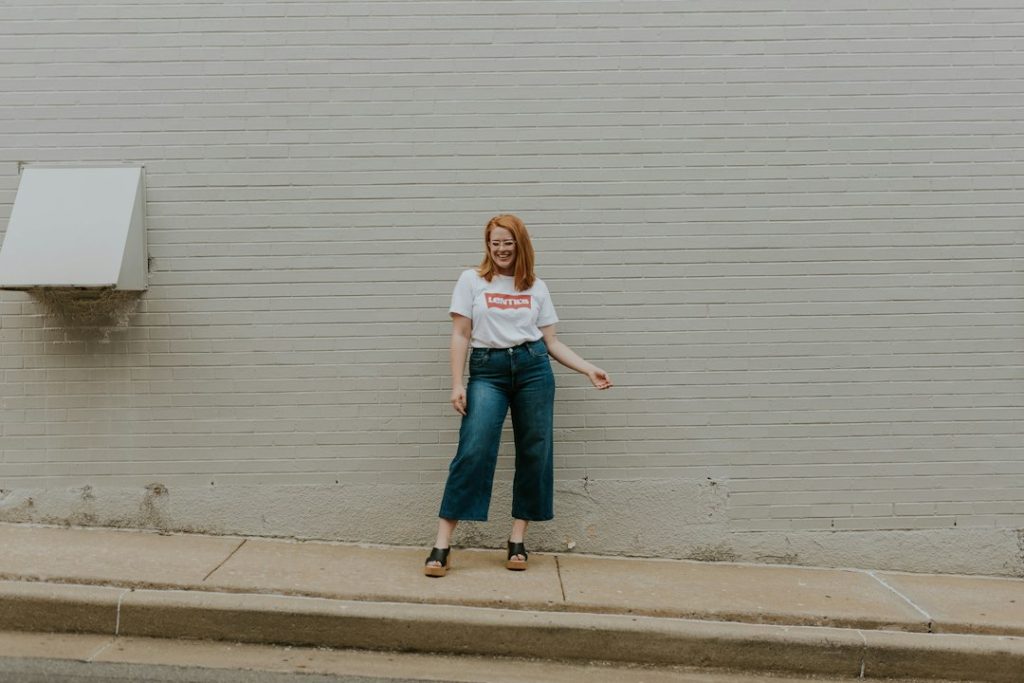
A well-executed cuff can transform a pair of potentially overwhelming wide-leg jeans into a statement piece. It allows you to control the volume, showcase your footwear, and add a polished touch to even the most casual ensembles. It’s the difference between looking like you’re drowning in denim and looking like you’ve intentionally styled a bold look.

Preserving Raw Denim Integrity
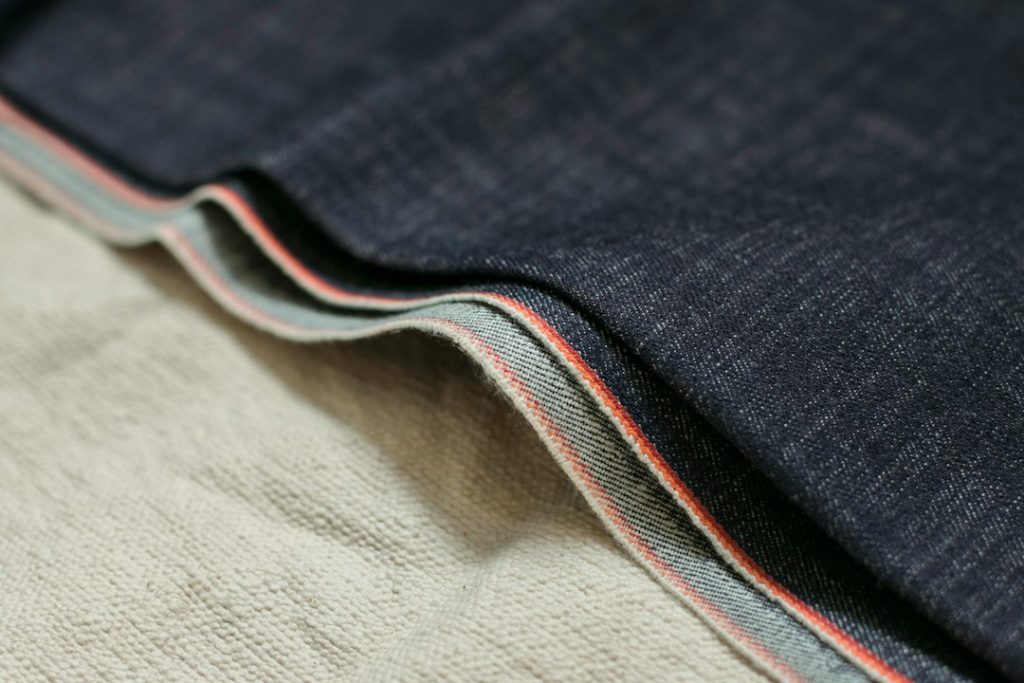
Raw selvedge denim is an investment, prized for its unwashed state and the unique fades that develop over time with wear. Cuffing raw denim requires care. An improper cuff can create uneven wear lines, damage the selvedge edge, or even interfere with the natural break-in process. The goal is to achieve a sharp look while respecting the denim’s integrity.
The Challenge of Wider Fits
Wide-leg jeans, by their nature, have more fabric to manage. This can make achieving a clean, crisp cuff more difficult. The tendency is for the excess material to bunch up, creating a sloppy, disproportionate look. The techniques we’ll cover are designed to combat this excess volume and maintain a streamlined silhouette.
Understanding Your Cuffs: Single vs. Pinroll Explained
Before you start folding, it’s important to understand the two primary cuff styles and their effects, especially on wider fits.
The Clean Single Cuff: A Timeless Look
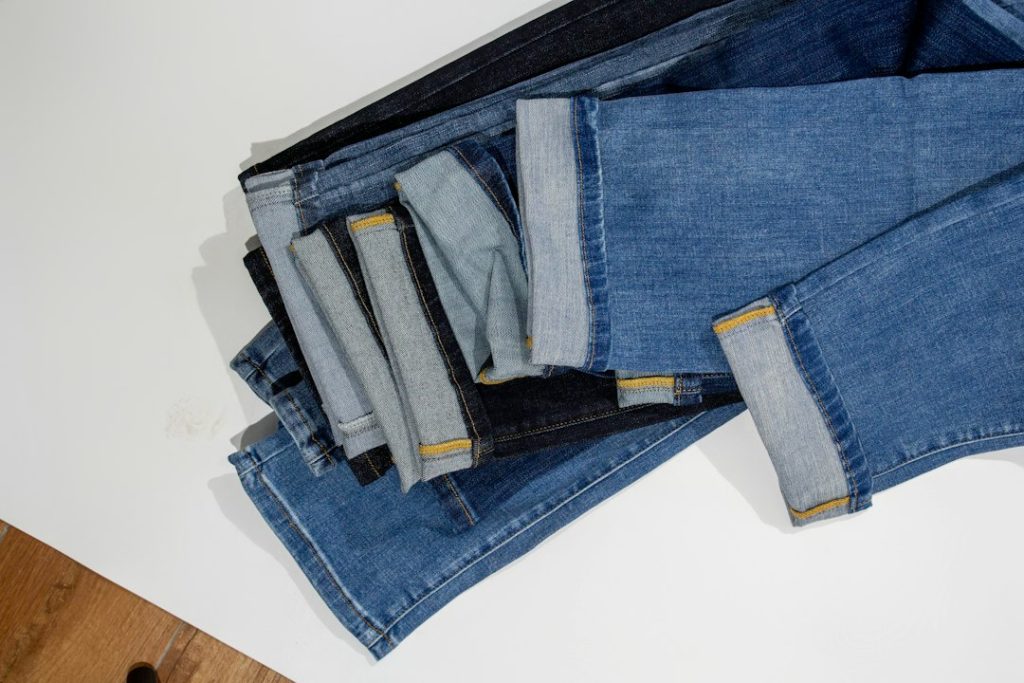
The clean single cuff is perhaps the most straightforward. It involves folding the hem of the jeans upward once or twice to achieve the desired height. This method is versatile and works well for a casual, undone look. For wide-leg jeans, a single cuff, executed properly, can offer a substantial fold that still looks intentional rather than accidental.

The Pinroll Cuff: Precision & Streamlined Silhouette
The pinroll is a more technical cuff designed to taper the leg opening, creating a much slimmer profile around the ankle. This is achieved by folding the excess fabric inward before creating the main cuff. It’s particularly effective for wide-leg jeans that you want to wear with slimmer footwear, or when you want to avoid the fabric bunching around your ankles.
Choosing the Right Cuff for Your Jeans and Body Type
The best cuff for you depends on the specific cut of your wide-leg jeans and your personal style. A wider hem on the jeans might lend itself better to a single cuff, while a slightly less extreme wide leg could benefit from the tapering effect of a pinroll. Consider your footwear: sneakers often pair well with pinrolls, while boots might suit a more substantial single cuff.
Step-by-Step Guide: How to Achieve a Perfect Single Cuff on Wide-Leg Jeans
Let’s get down to business. This is how you create a clean, effective single cuff that works with the volume of wide-leg jeans.
Preparation: What You’ll Need (and What to Avoid)
Start with your jeans laid flat on a clean, hard surface. Ensure there are no major wrinkles that will interfere with the fold. Avoid cuffing on a soft surface like a bed, as this will lead to unevenness.
The Initial Fold: Creating a Solid Base
Turn the jeans inside out. Grab the hem and fold it upward once. The width of this first fold is crucial. For most wide-leg jeans, aim for a fold that is about 1 to 1.5 inches wide. This creates a solid, stable base for your cuff.
Fold the Hem Up
Lay your jeans flat, preferably inside out. Fold the bottom hem upward by approximately 1 to 1.5 inches, creating a single, even fold. Ensure the fabric is smooth.
Refining the Fold: Ensuring Evenness and Clean Lines
Now, turn the jeans right side out. Carefully press down the fold you just created. Run your hands along the edge to ensure it’s crisp and even. Check the front, back, and sides to make sure there are no bumps or inconsistencies. This is where the “clean” in “clean single cuff” comes from.
Crease and Smooth
Turn the jeans right-side out. Press down firmly on the initial fold, creating a sharp crease. Use your hands to smooth out any wrinkles and ensure the cuff edge is perfectly straight and even all the way around.

Securing the Cuff: Options for Longevity
For a casual look, simply letting the cuff sit is fine. However, if you want it to stay put, especially with heavier denim or active wear, you have a few options. You can create a sharper crease by ironing it (use a cloth to protect the denim if it’s raw). Some people opt for a few discreet stitches along the inside of the cuff to hold it permanently, but this is irreversible and usually not recommended for raw denim you plan to break in naturally.
Mastering the Pinroll: The Secret to Sleek Wide-Leg Denim
The pinroll is a game-changer for managing wide-leg denim, especially when you want a more tailored appearance.
Identifying the Sweet Spot for the Pinroll
Lay your jeans flat, inside out. The key is to create a narrow fold *before* you make your main cuff. You want to fold enough fabric inward so that when you fold the hem up, the leg opening becomes significantly narrower, but not so narrow that it looks painted on or restricts movement.
The Pinch and Fold Technique
Start by pinching the inseam of the jeans and folding the excess fabric inward, creating a narrow, vertical strip of denim. Aim for about a 0.5 to 0.75-inch fold along the inseam. Then, fold the hem of the jeans upward, usually just once, over this inward fold. The goal is to hide the excess fabric within the cuff.
Create the Inward Fold
Lay jeans inside out. Pinch the inseam and fold the excess fabric inward, creating a narrow strip (about 0.5-0.75 inches wide) that runs vertically along the leg. Smooth it flat.
Fold the Hem Upward
Now, fold the bottom hem of the jeans upward, just once, over the inward fold you just created. Ensure this fold is relatively narrow, typically 1 to 1.5 inches.
Adjusting for Raw Selvedge: Handling the Selvage Edge
With raw selvedge jeans, the selvedge edge can sometimes add bulk. When doing a pinroll, try to ensure the selvedge edge is incorporated smoothly into the inward fold rather than being bunched up against the outer leg. This helps maintain a cleaner line.

Achieving Symmetry: Left vs. Right Leg Perfection
Once you’ve mastered one leg, repeat the exact same process on the other. The biggest mistake here is asymmetry. Measure the cuff height and the width of the inward fold on both legs to ensure they match perfectly. Take a moment to stand back and visually check for balance.
Refine and Secure
Turn the jeans right-side out. Press the cuff firmly, ensuring the inward fold is hidden and the outer edge is clean and straight. The goal is a tapered look at the ankle without excessive bulk.
Troubleshooting Common Cuffing Mistakes with Wide-Leg & Raw Selvedge Jeans
Even experienced denim heads run into issues. Here’s how to fix the most common problems.
The “Too Bulky” Cuff: Solutions for Volume Control
This is common with wide-leg jeans. If your cuff looks like a balloon, you’re likely folding too much fabric or not creasing sharply enough. Try a narrower initial fold (for single cuffs) or a more aggressive inward fold (for pinrolls). Ensure you’re pressing down firmly to flatten the layers.
The “Uneven Hem” Nightmare: How to Fix It
Uneven cuffs usually stem from an uneven initial fold or cuffing on a soft surface. Lay the jeans flat and carefully smooth out the folds. If the hem itself is uneven (a manufacturing defect), you might need professional hemming. For minor unevenness in the cuff, try re-folding and creasing with extra attention to the edges.
The “Fades Ruined” Fear: Protecting Your Investment
The biggest fear with raw denim is creating unintended wear patterns. Avoid constant, aggressive cuffing and uncuffing, which can create sharp lines where you don’t want them. For the cleanest fades, aim for a consistent cuff height and try not to change it too often once you’ve settled on your preferred style. Some enthusiasts even opt for a permanent cuff stitch, but this is an advanced choice.
Dealing with Stiff Raw Denim
Raw denim, especially heavier weights, can be stubborn. It might resist forming a crisp fold initially. Be patient. Wear the jeans around the house after cuffing to help set the creases. Gentle ironing (with protection) can also help, but avoid excessive heat.
Styling Your Cuffed Jeans: Integrating Them into Your Wardrobe
Once your cuffs are perfected, how do you wear them?
Footwear Pairings: Boots, Sneakers, and More
Cuffed wide-leg jeans offer great versatility.
– Sneakers: A pinroll cuff is ideal for showing off your favorite sneakers without the jeans bunching up. It creates a clean line from the ankle to the shoe.
– Boots: A slightly wider single cuff can pair well with boots, especially chunkier styles. Ensure the cuff sits neatly above the boot line.
– Loafers/Derbies: A clean single cuff or a subtle pinroll works perfectly to showcase these smarter shoe options.
Outfit Inspiration: Casual to Elevated Looks
– Casual: Pair cuffed wide-leg jeans with a simple t-shirt or a graphic tee and sneakers.
– Smart Casual: Combine with a button-down shirt (tucked or half-tucked) and loafers or clean minimalist sneakers.
– Edgy: Try a cuffed style with a leather jacket and boots.
Seasonal Styling Tips for Cuffed Denim
– Spring/Summer: Opt for higher cuffs to keep cool and showcase lighter footwear.
– Fall/Winter: Stick to slightly lower or more substantial cuffs that work well with boots and heavier socks. Ensure the cuff isn’t so high that it creates a gap between your jeans and outerwear.
FAQ: Your Burning Questions About Cuffing Wide-Leg & Raw Selvedge Jeans Answered
Can I cuff all wide-leg jeans?
Generally, yes. However, extremely wide-leg styles or those with very heavy embellishments at the hem might look awkward or unmanageable when cuffed. Always assess the fabric and cut.
How often should I re-cuff my jeans?
As often as needed. If they’ve come undone or you want to change the look, re-cuff them. For raw denim you want to break in with specific fades, try to keep the cuff height consistent.
Does cuffing affect the break-in of raw denim?
Yes, it can. A consistent cuff creates wear lines and can influence where creases form. Improper cuffing can lead to uneven fading. A well-executed, consistent cuff is generally fine for the break-in process and can even enhance fade potential.
What’s the difference between a cuff and a hem?
The hem is the finished edge of the fabric at the bottom of the garment. A cuff is a fold created by turning the hem upward. The hem is permanent (unless altered), while a cuff is a styling choice that can be undone.
The Final Fold: Elevating Your Denim Game in 2026
Mastering the cuff on wide-leg and raw selvedge jeans is a subtle art that pays significant dividends in style. Whether you opt for the clean simplicity of a single cuff or the tailored precision of a pinroll, the key is attention to detail. By understanding the techniques, avoiding common pitfalls, and considering how your cuffs interact with your footwear and overall outfit, you can elevate your denim game, ensuring your jeans always look intentional, sharp, and perfectly suited to your style. It’s about transforming fabric into a statement, one precise fold at a time.